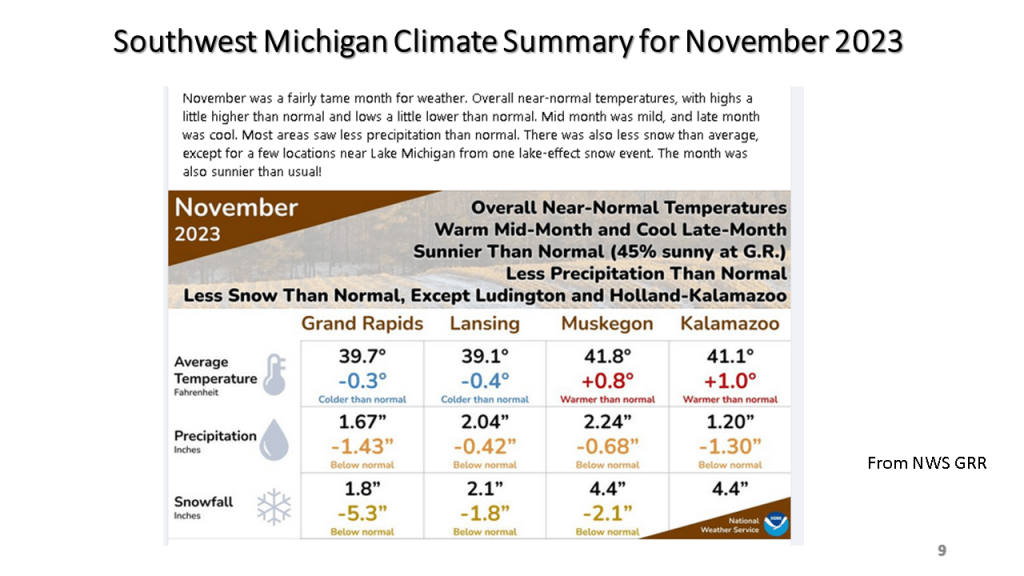
Over Michigan, November and December featured well below normal snowfall. The first 2 1/2 weeks of January seem to be making up some of that deficit. Over the rest of the CONUS, seasonal snowfall mostly remains below normal.


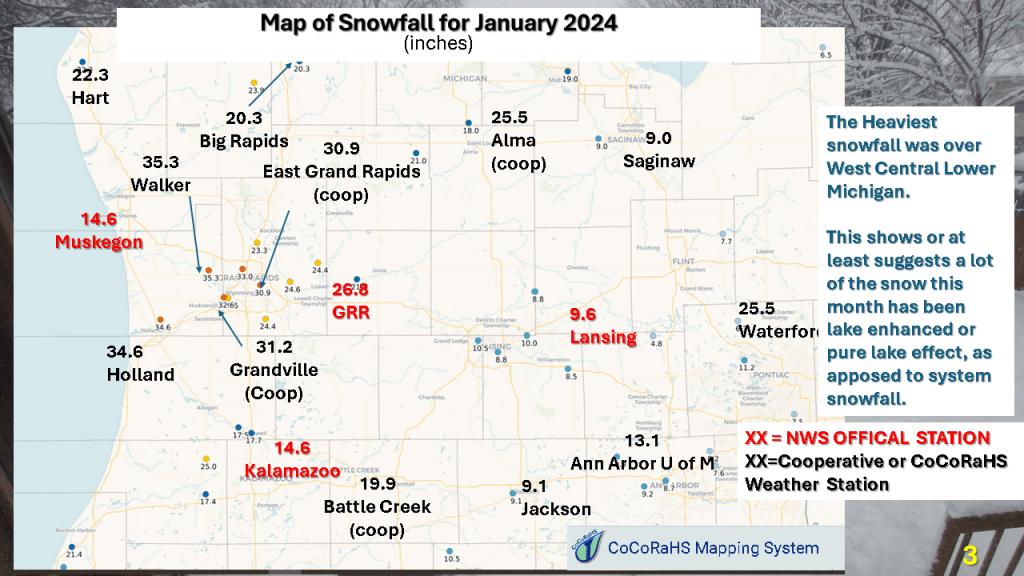
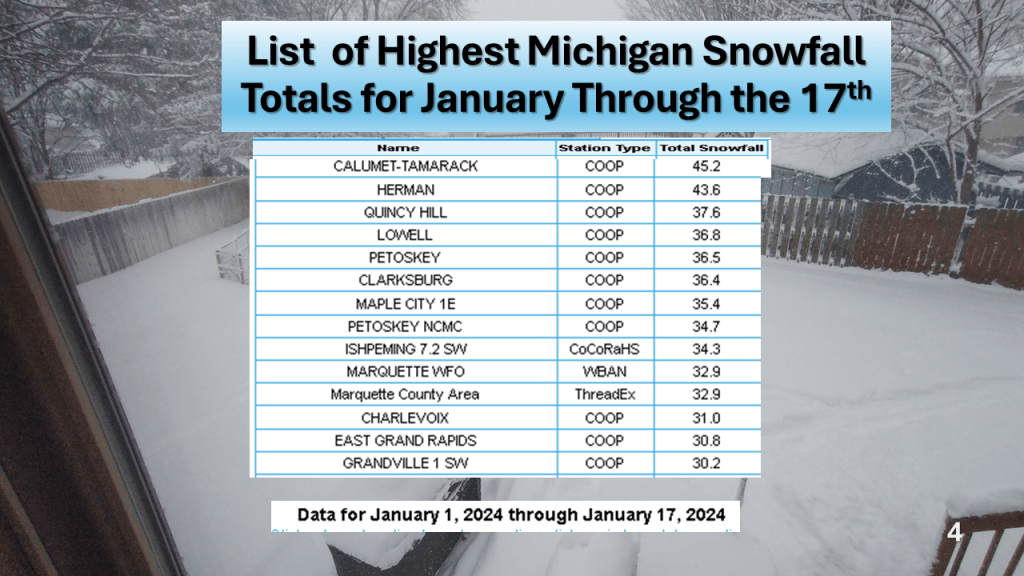


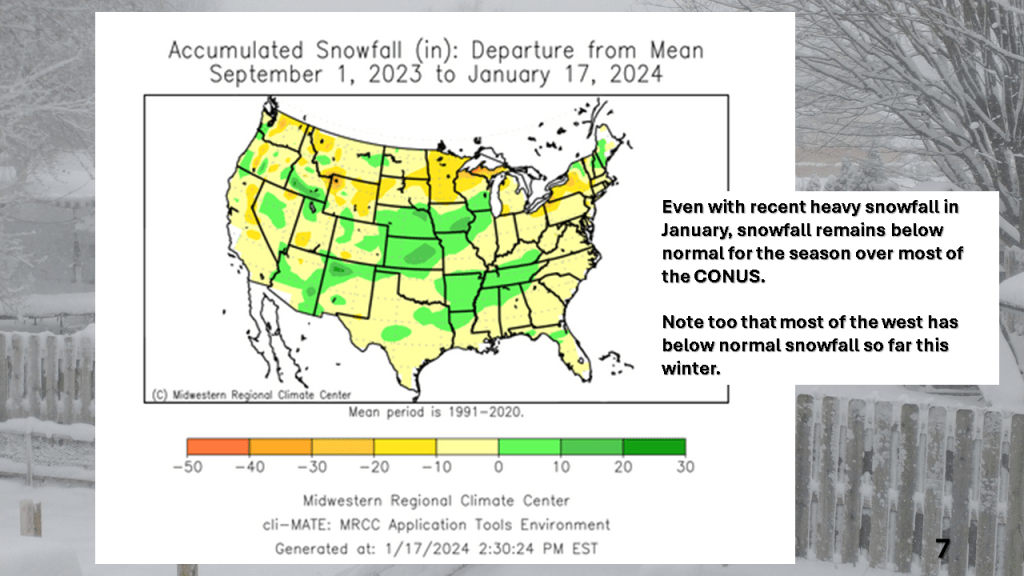
Over Michigan, November and December featured well below normal snowfall. The first 2 1/2 weeks of January seem to be making up some of that deficit. Over the rest of the CONUS, seasonal snowfall mostly remains below normal.




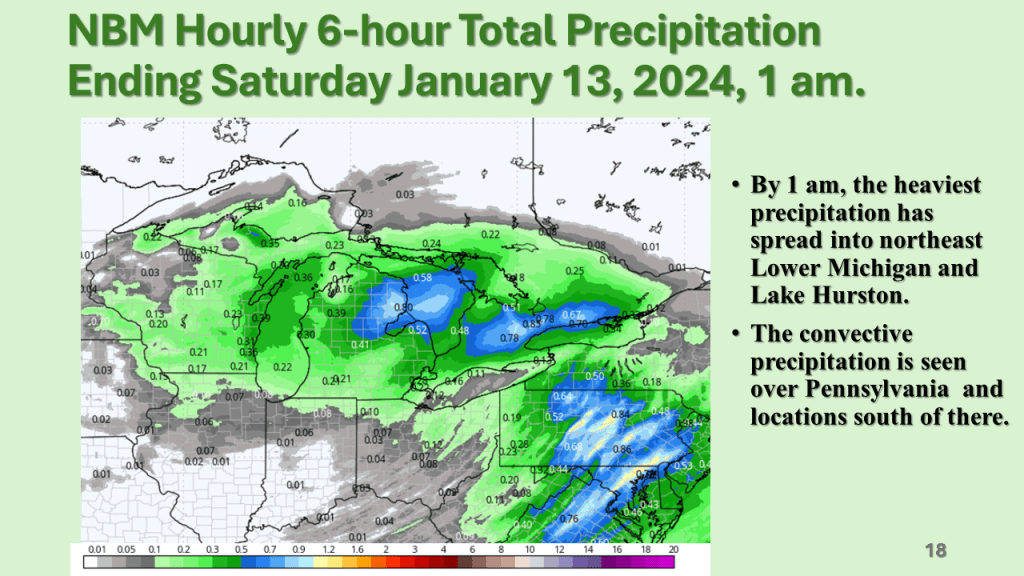
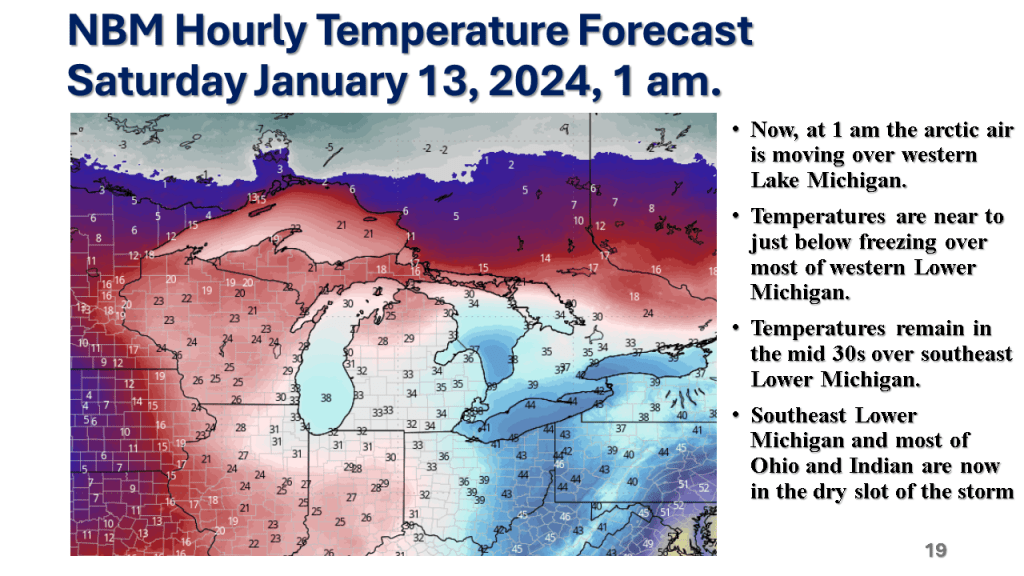

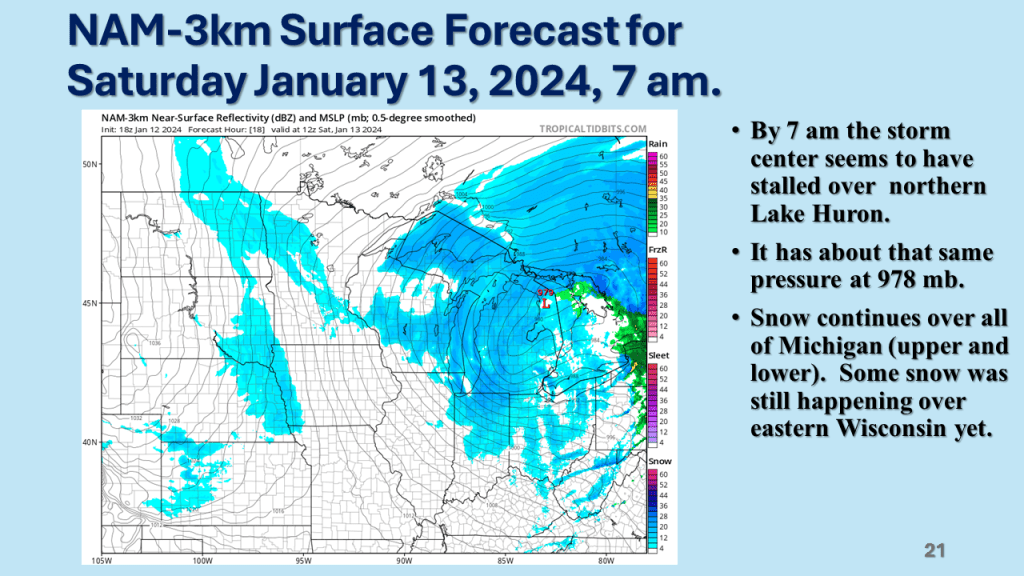
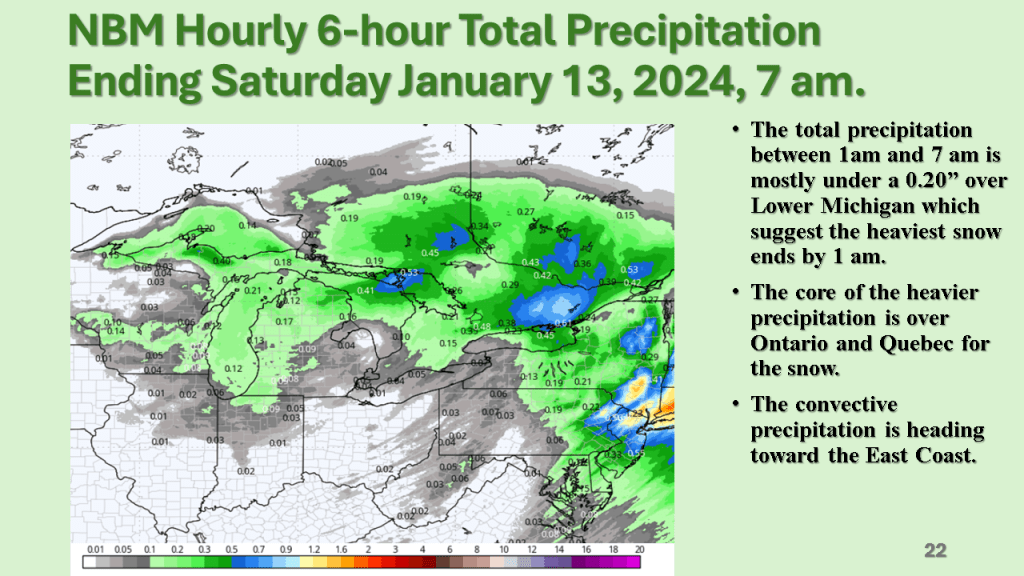
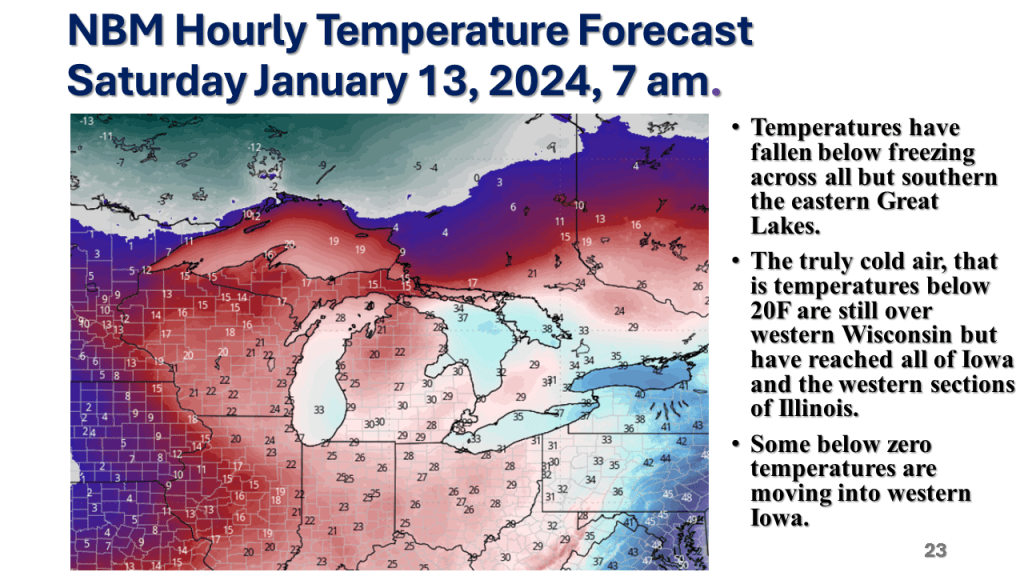
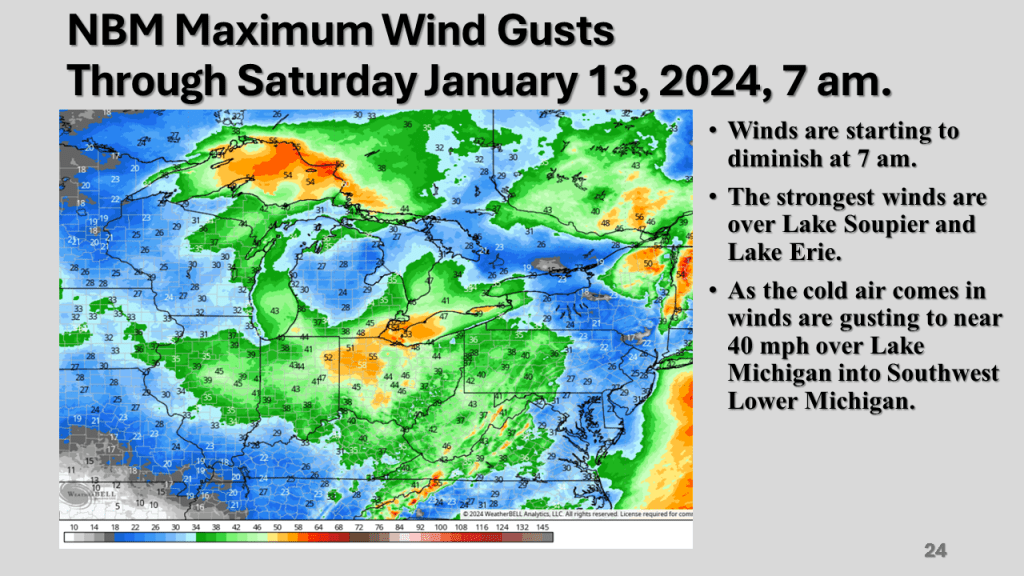


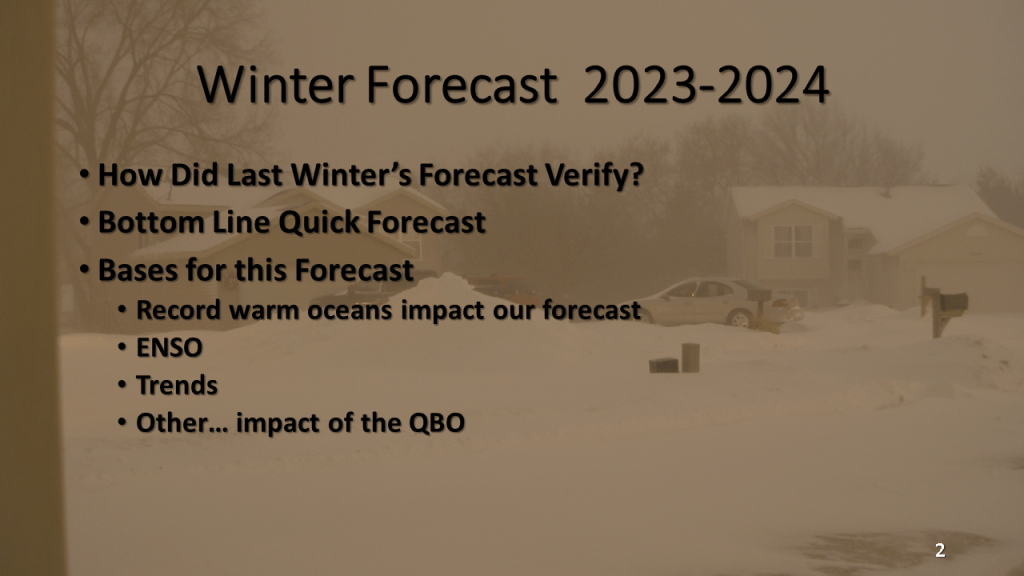
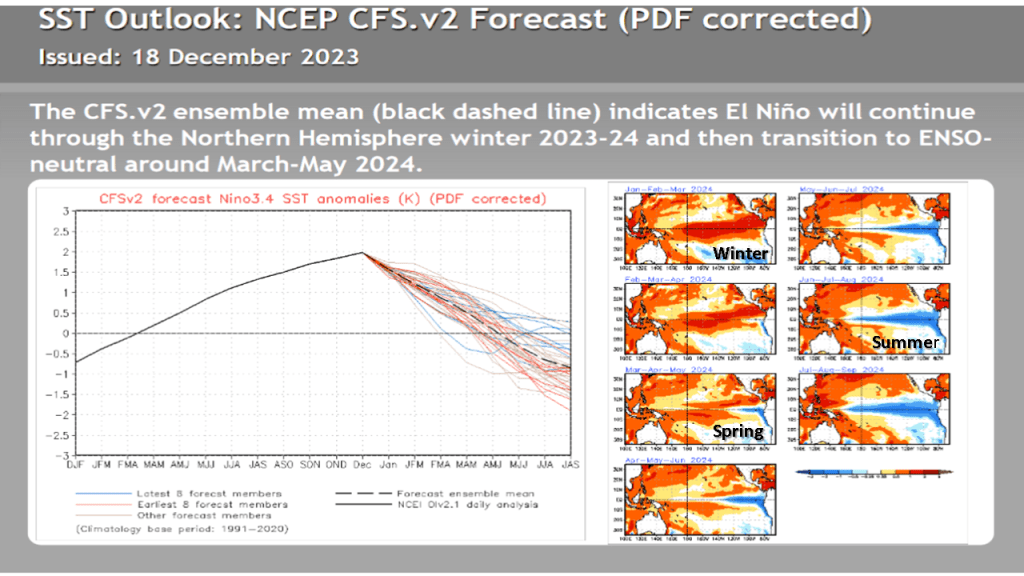
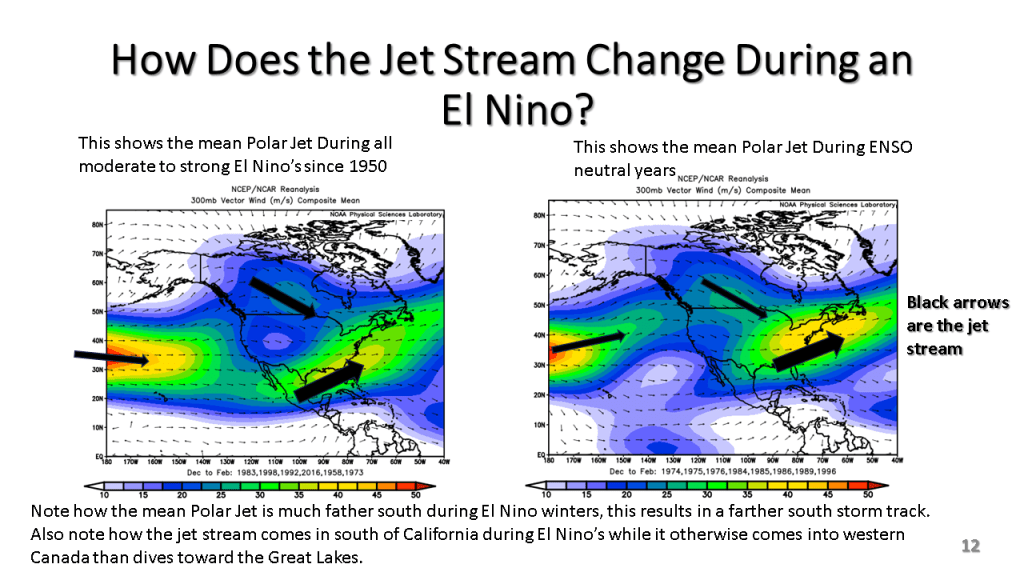
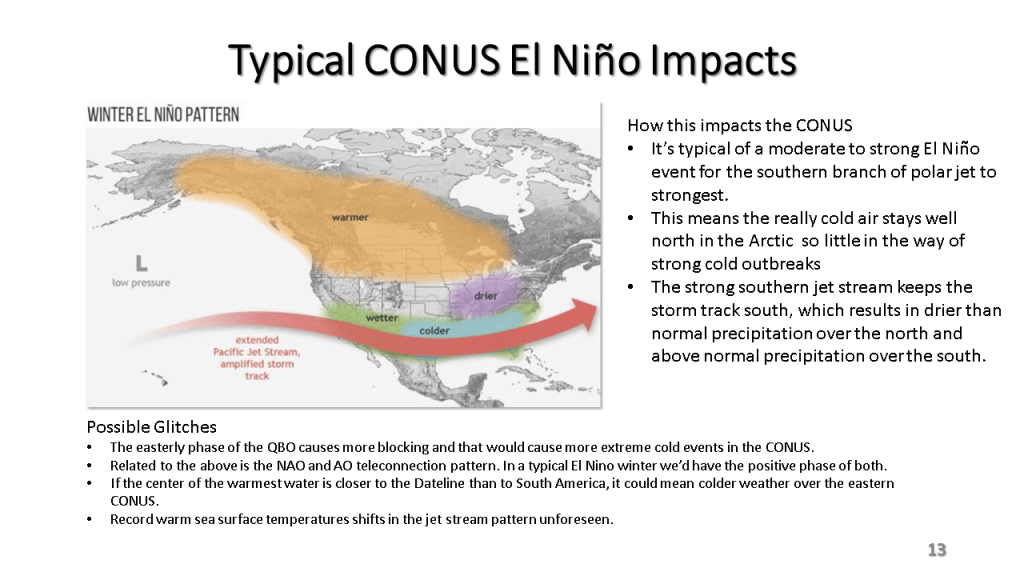
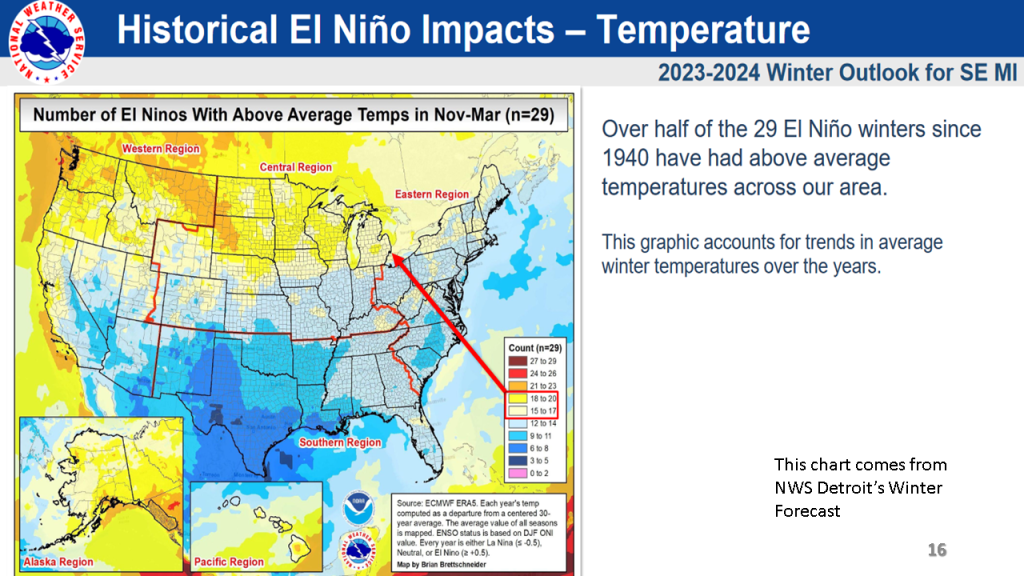
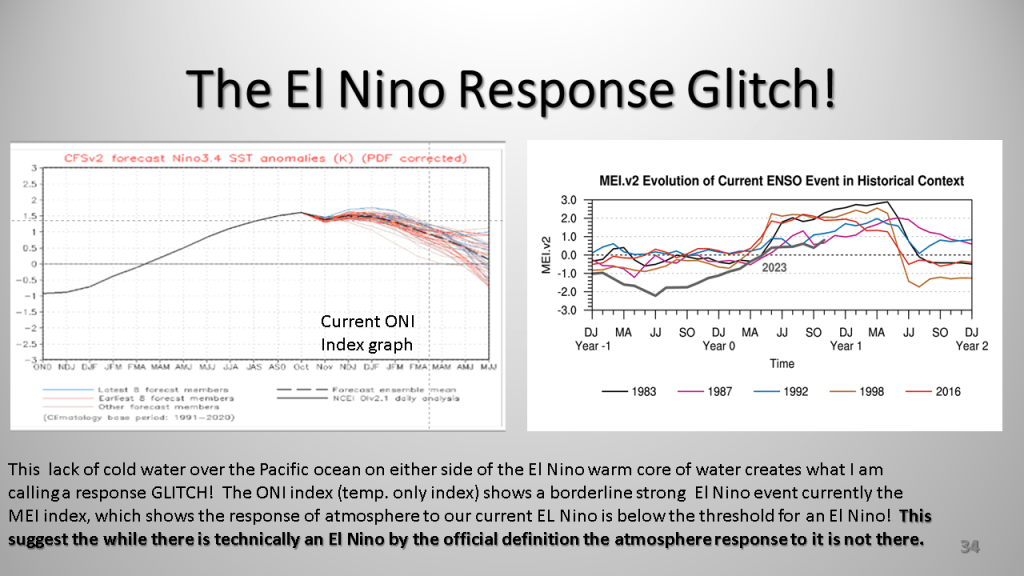
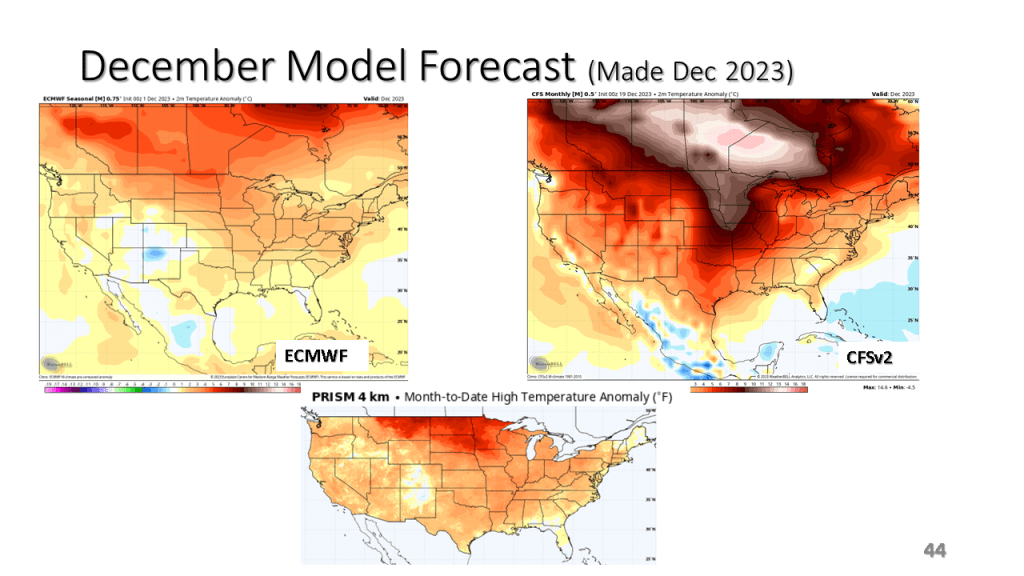
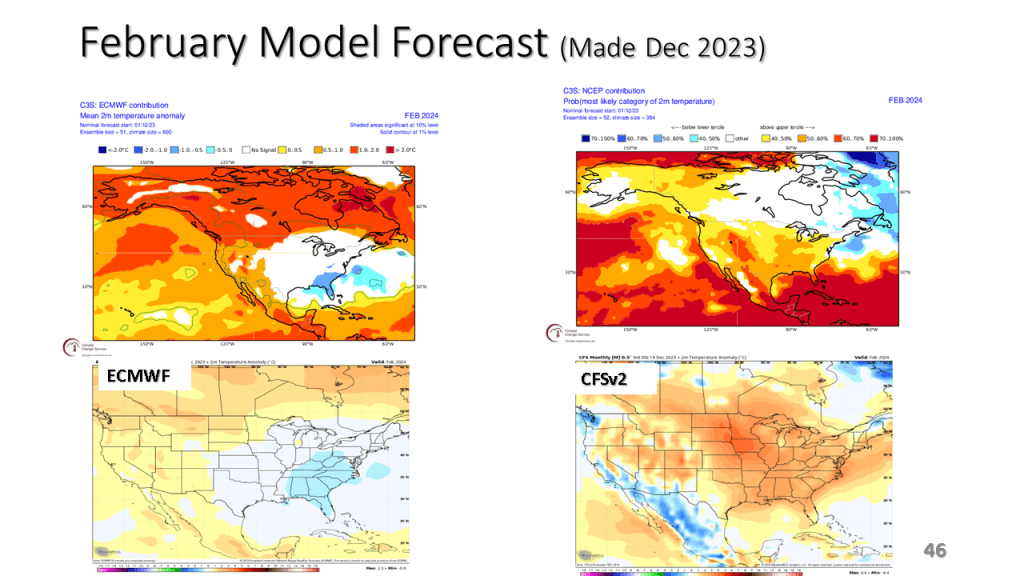
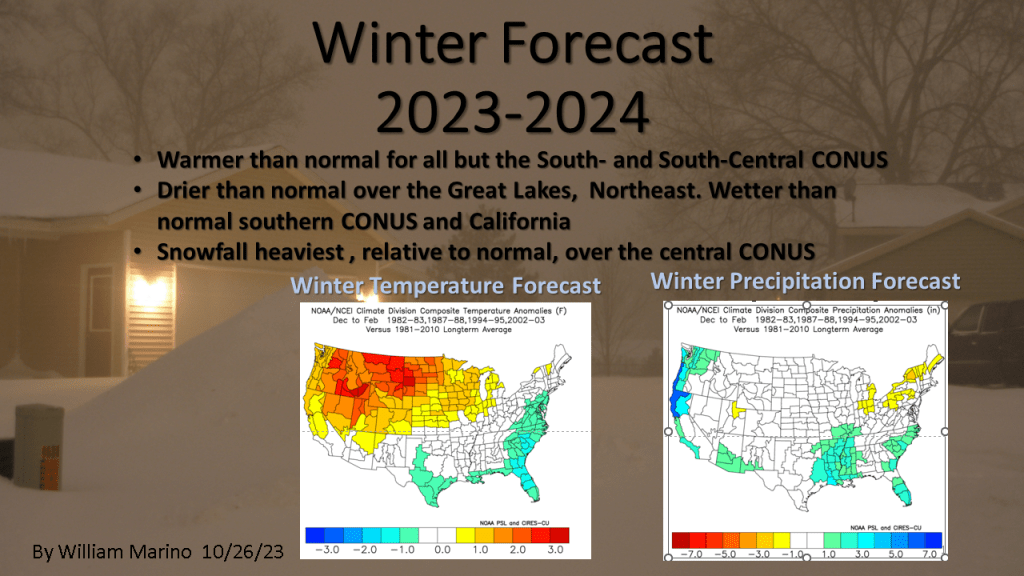
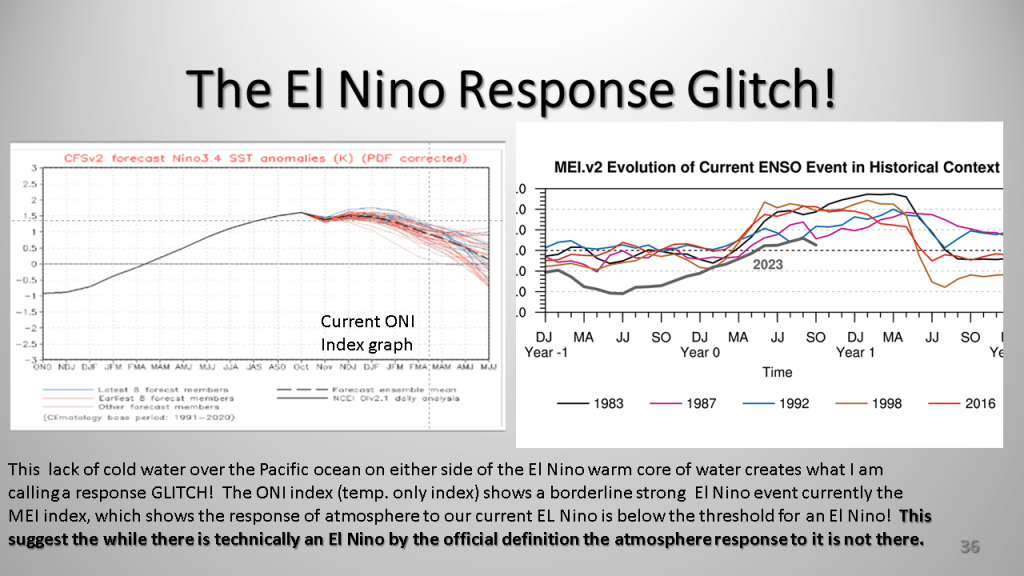
My actual forecast remains unchanged. I mostly updated the ENSO slides and added monthly model forecasts from the ECMWF and the CFSv2.
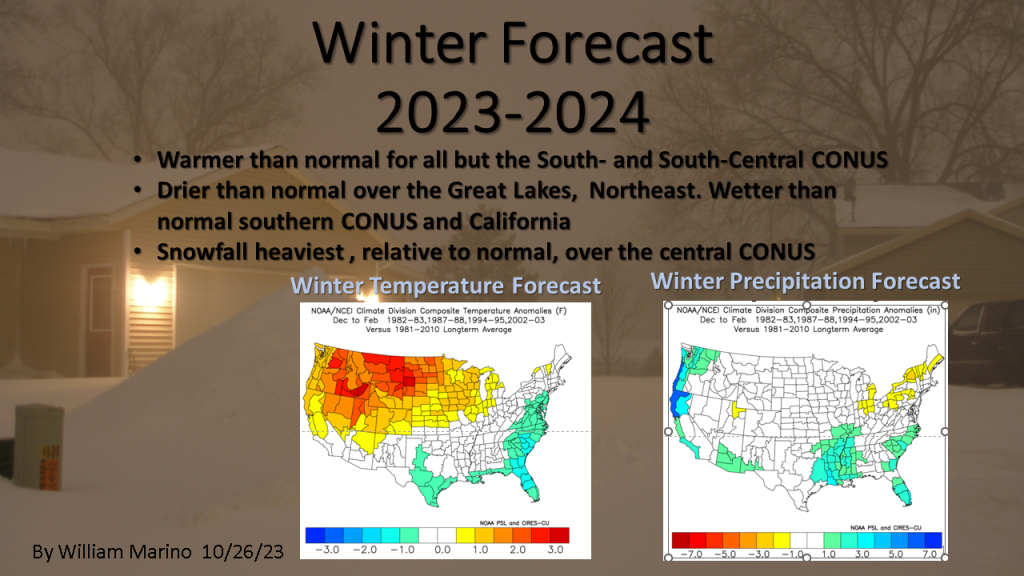
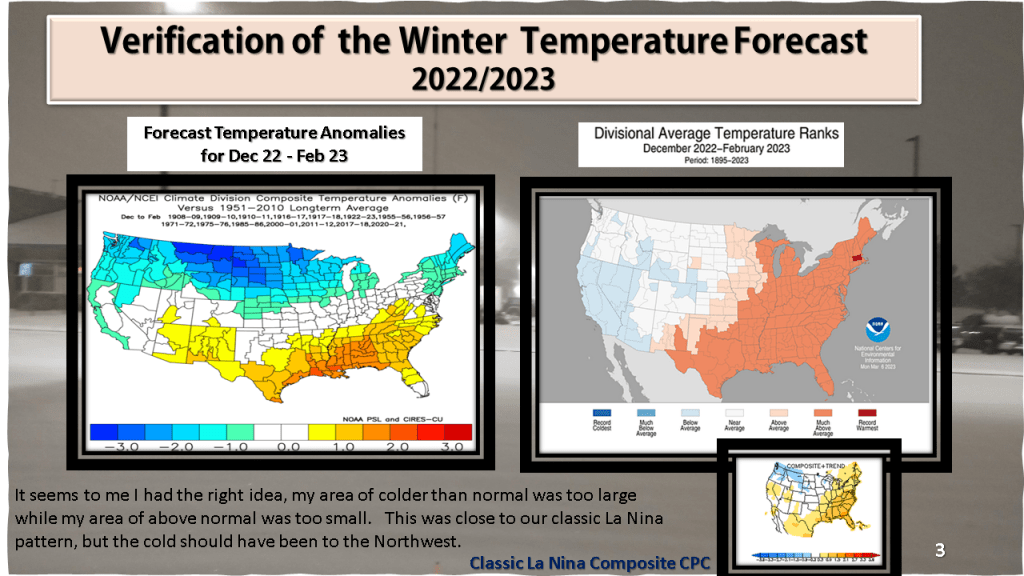

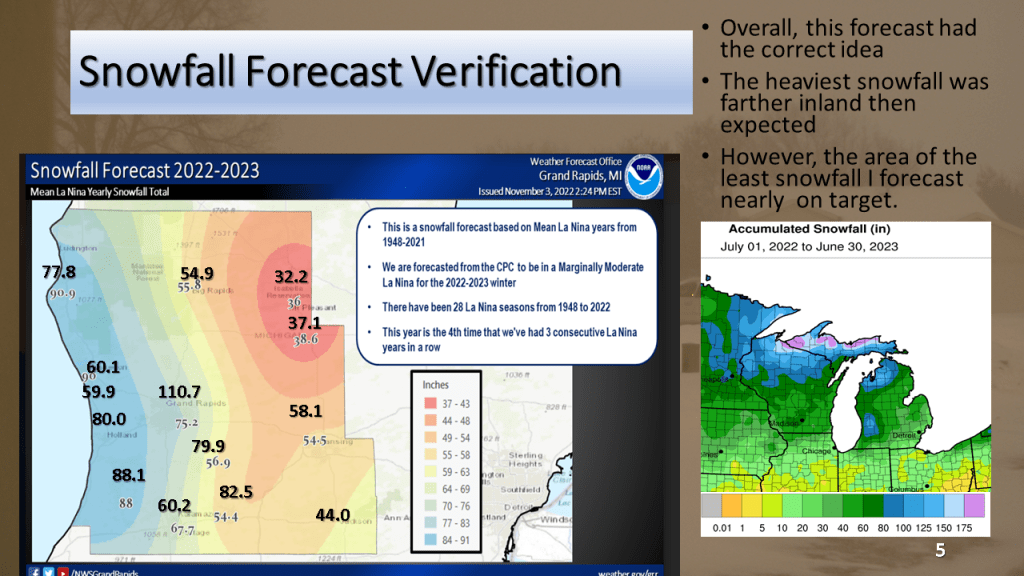

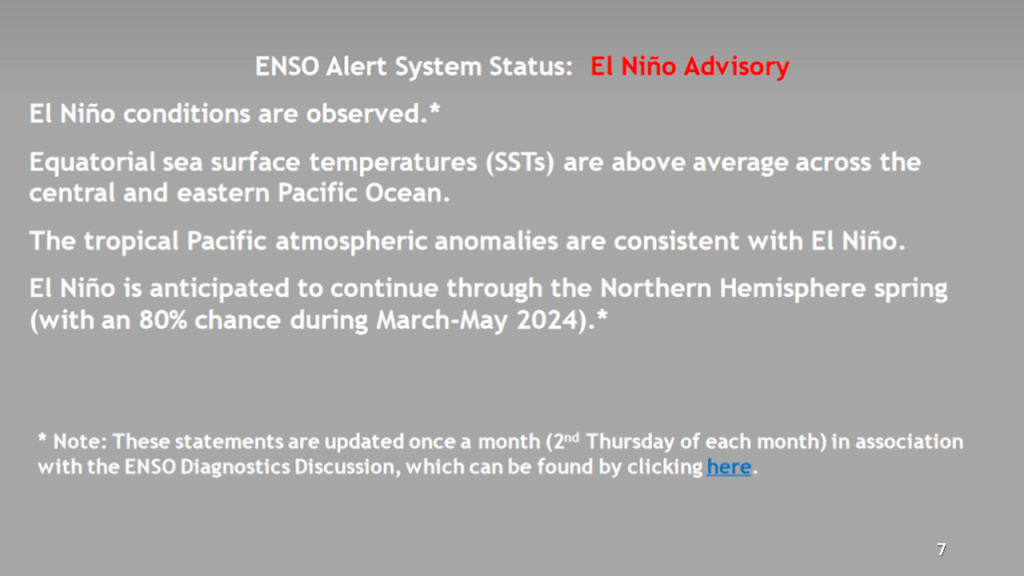


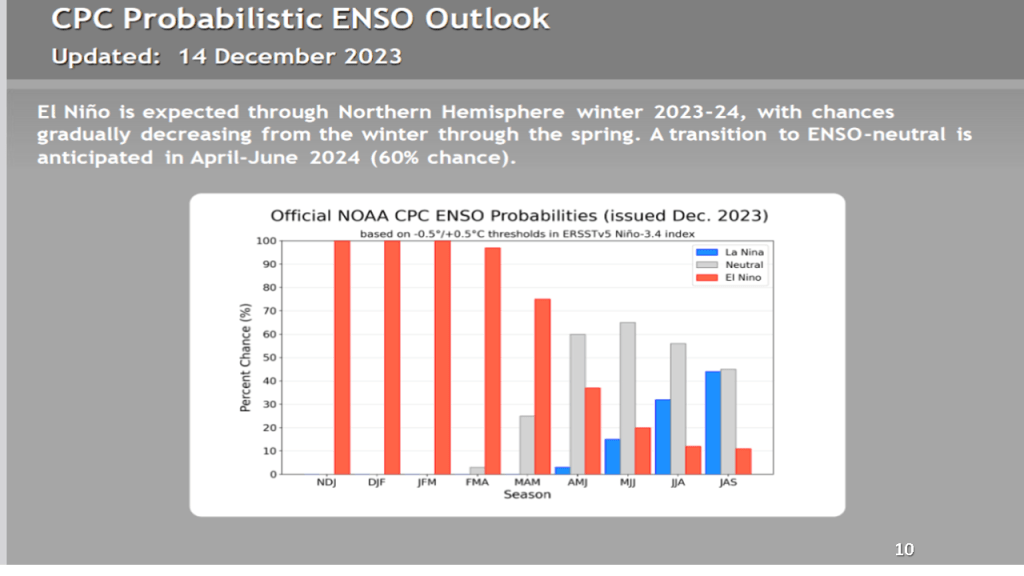

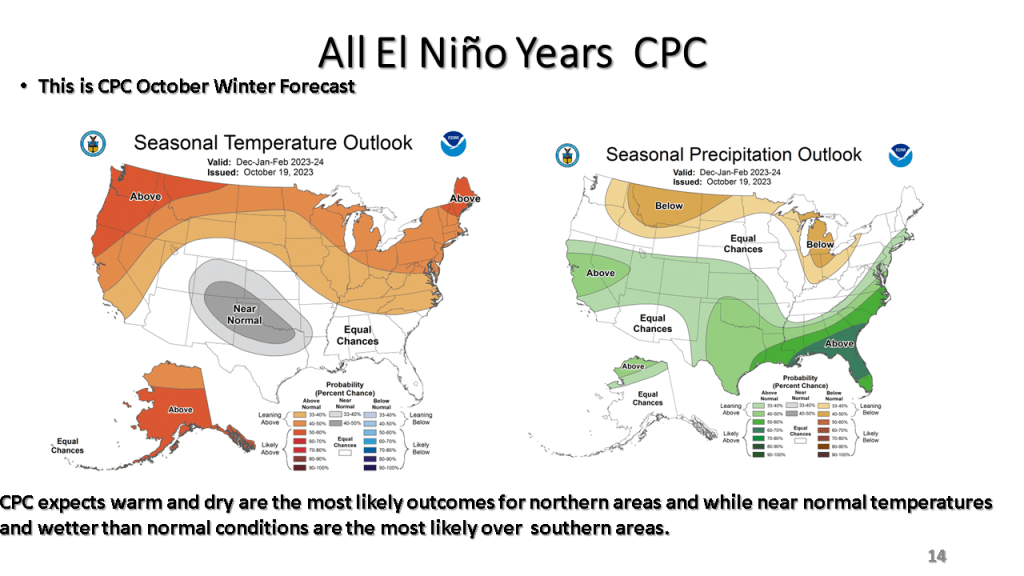
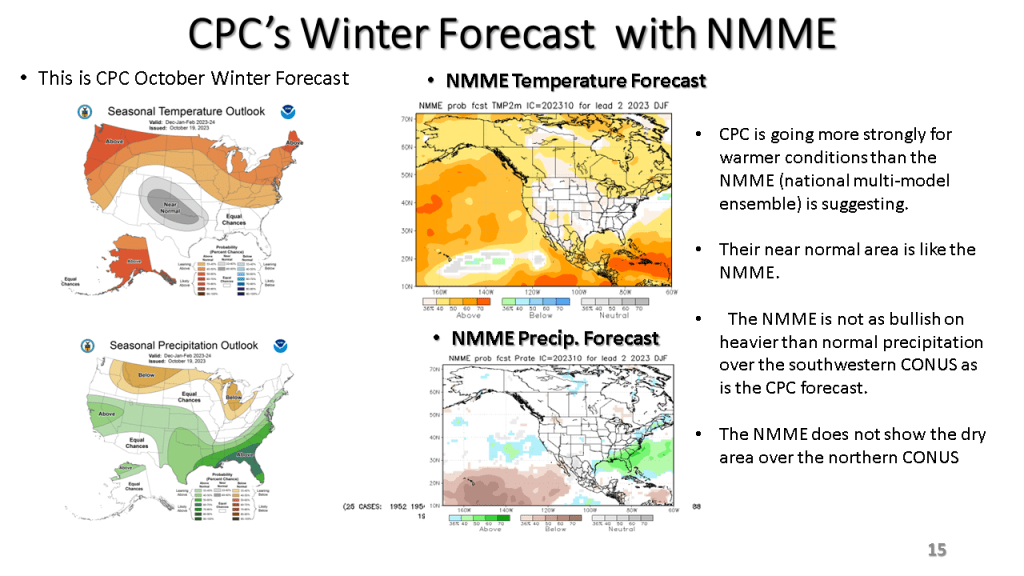
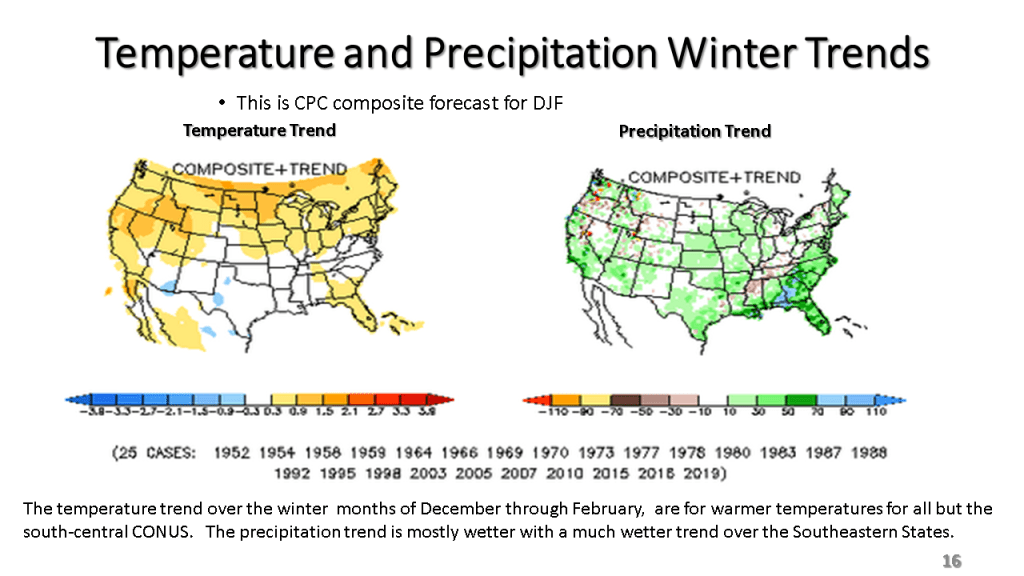
CPC’s forecast for this winter has not changed significantly in the past few months.







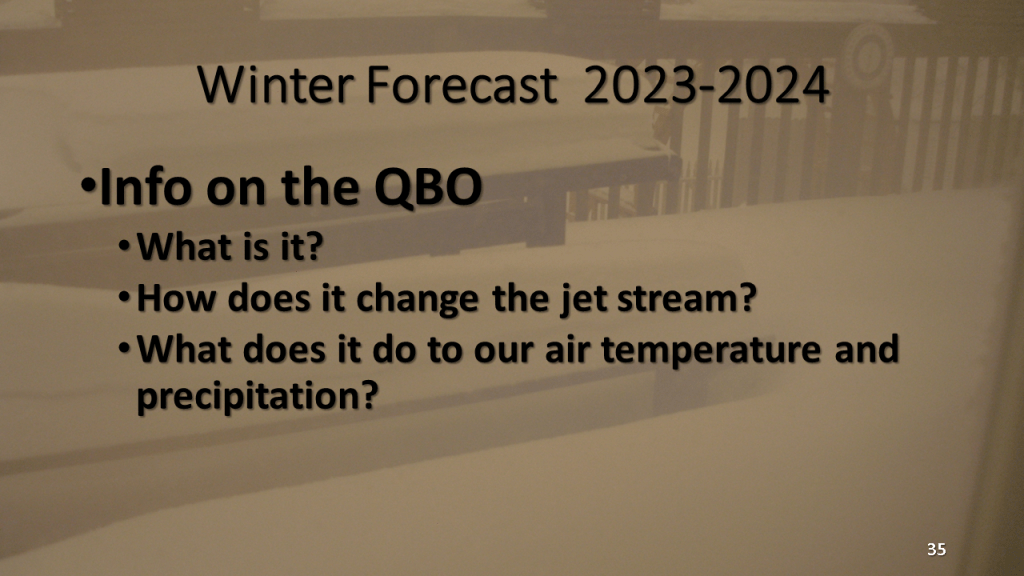
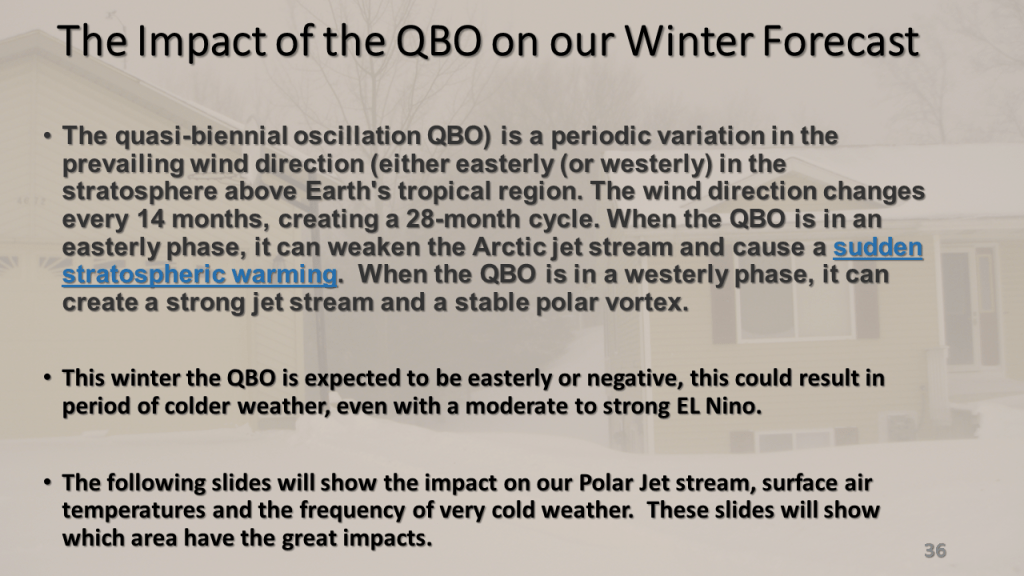
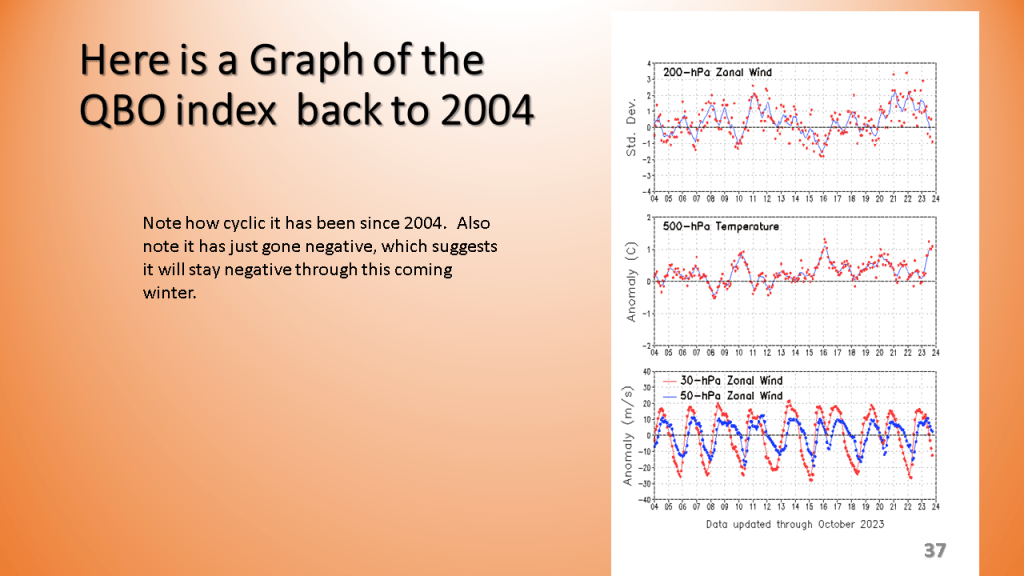
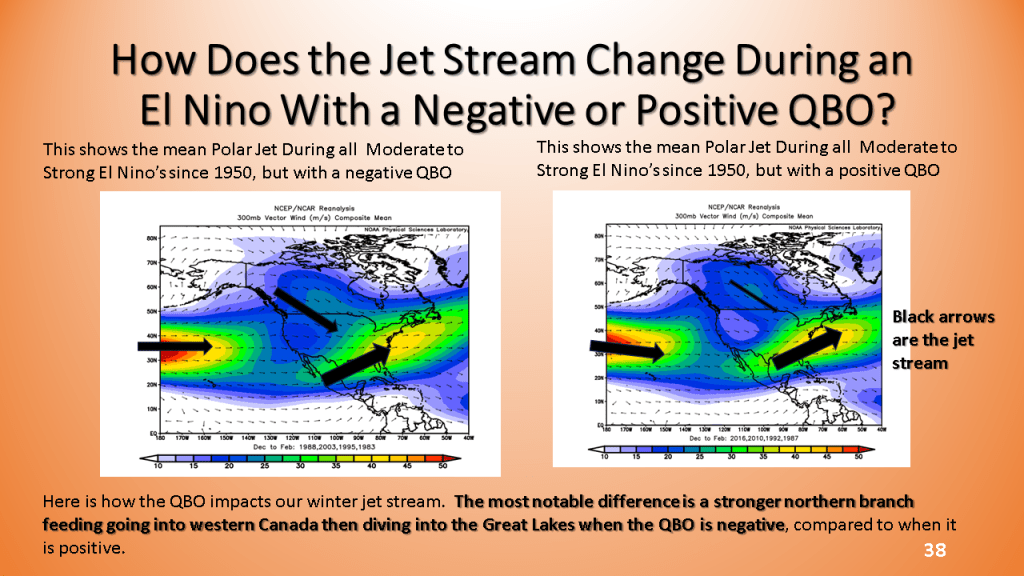
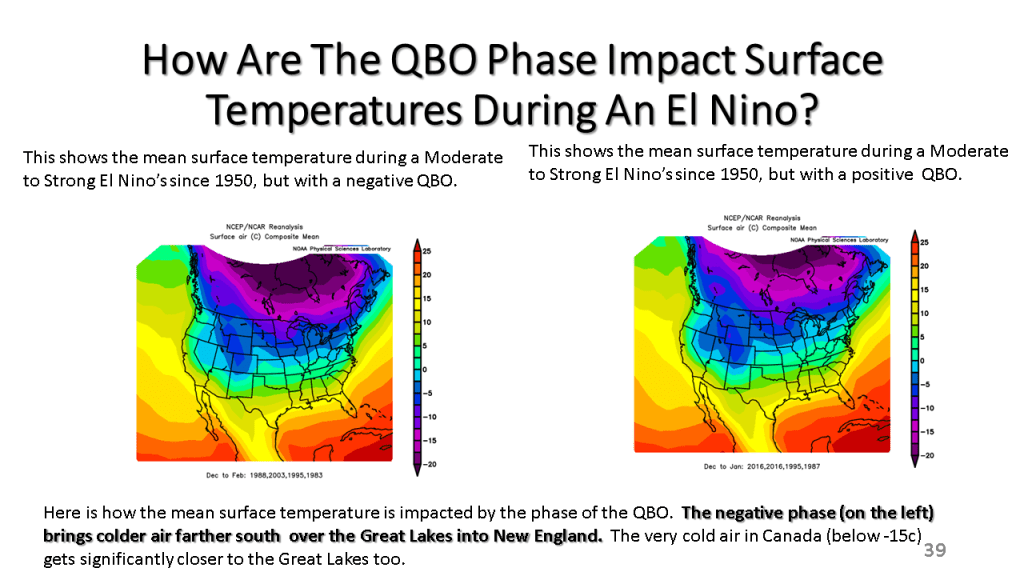
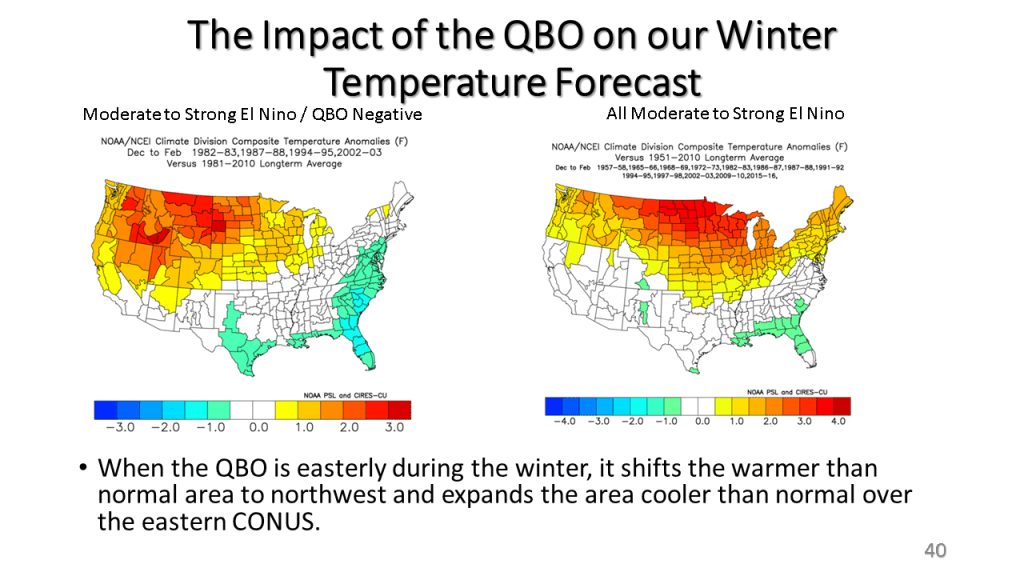
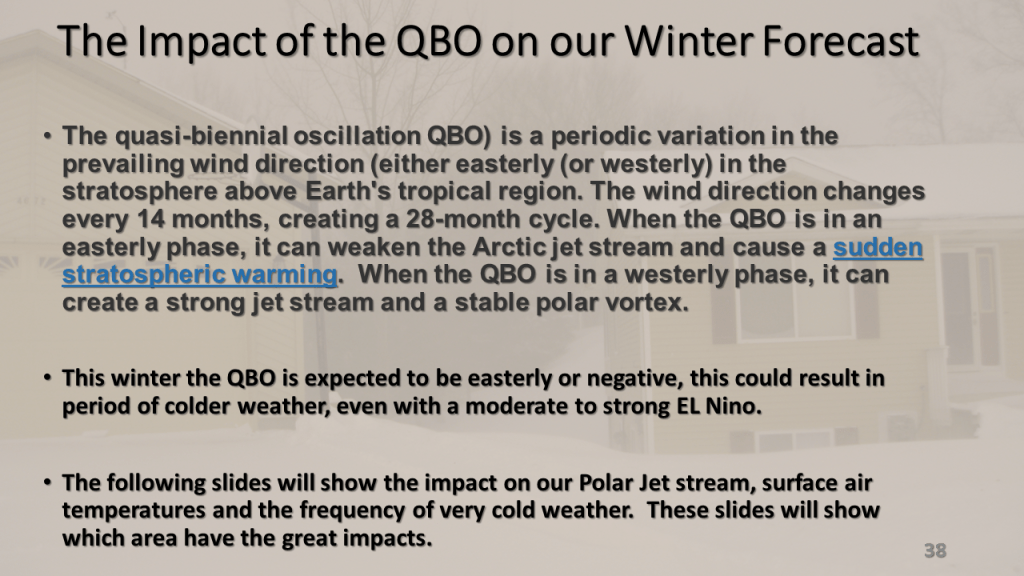
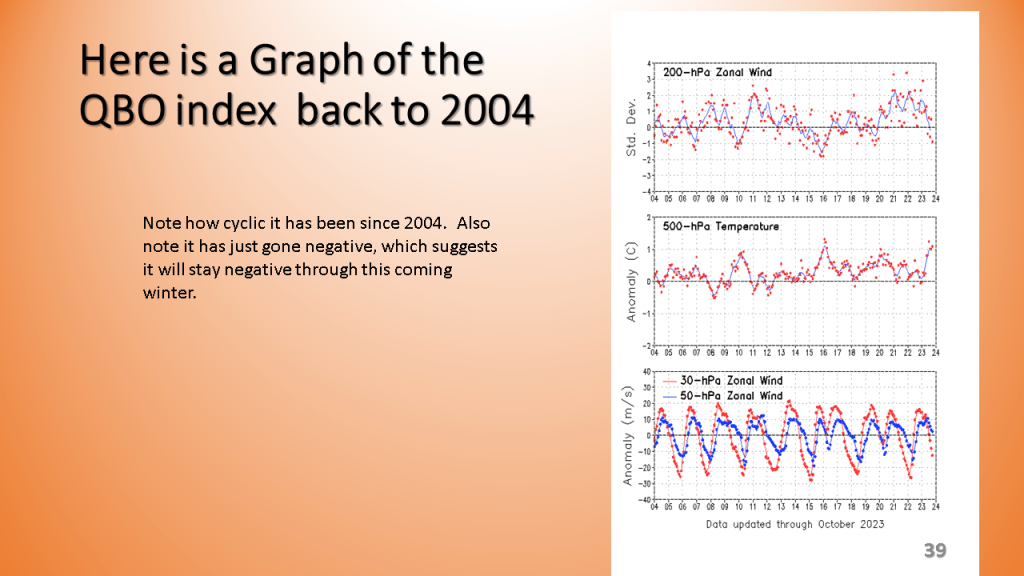
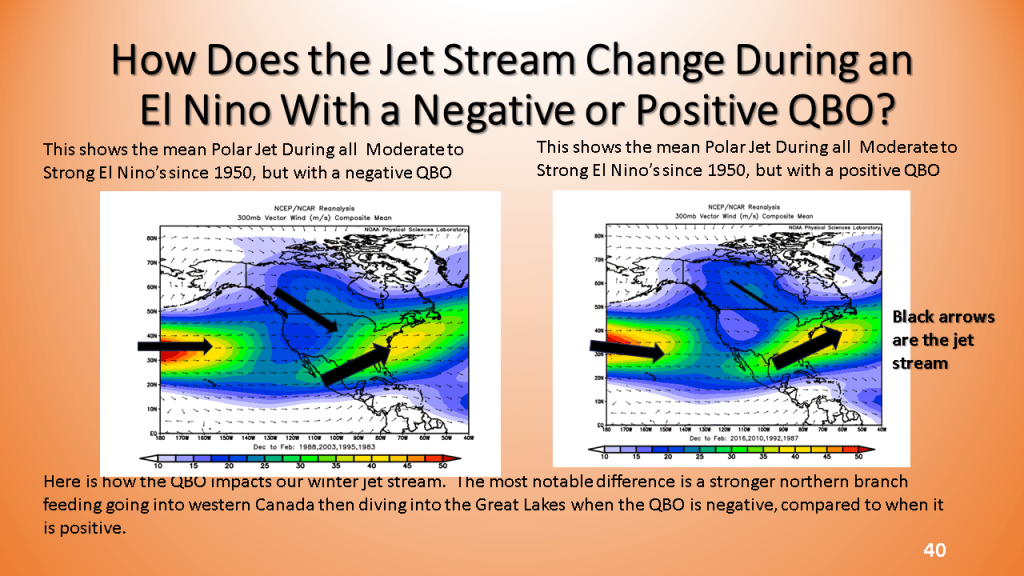
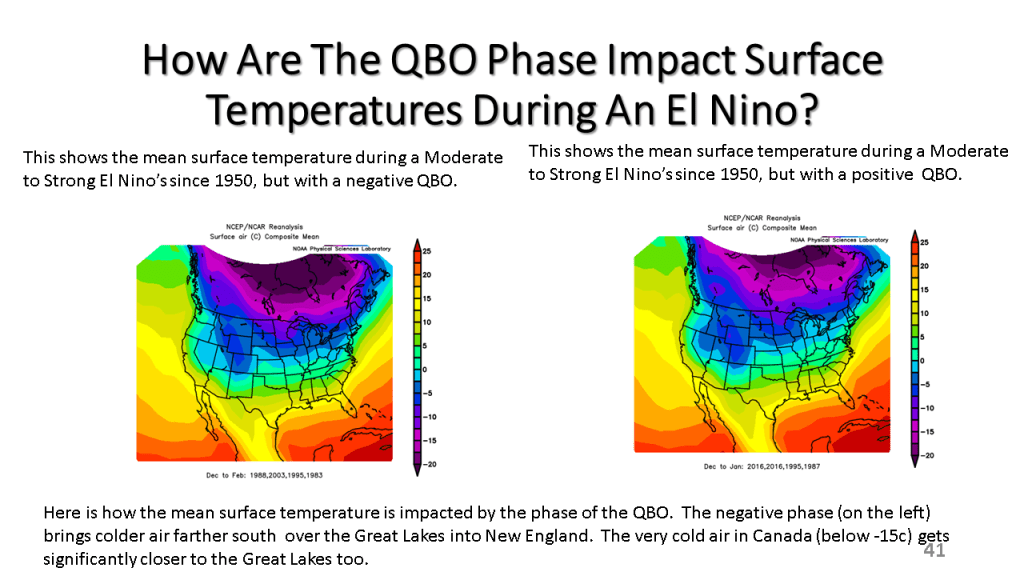
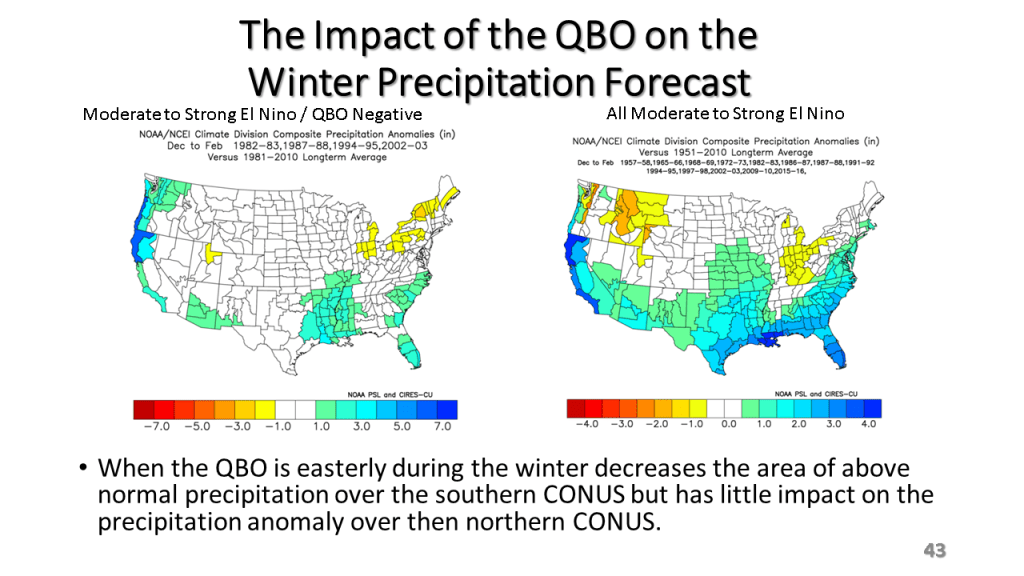
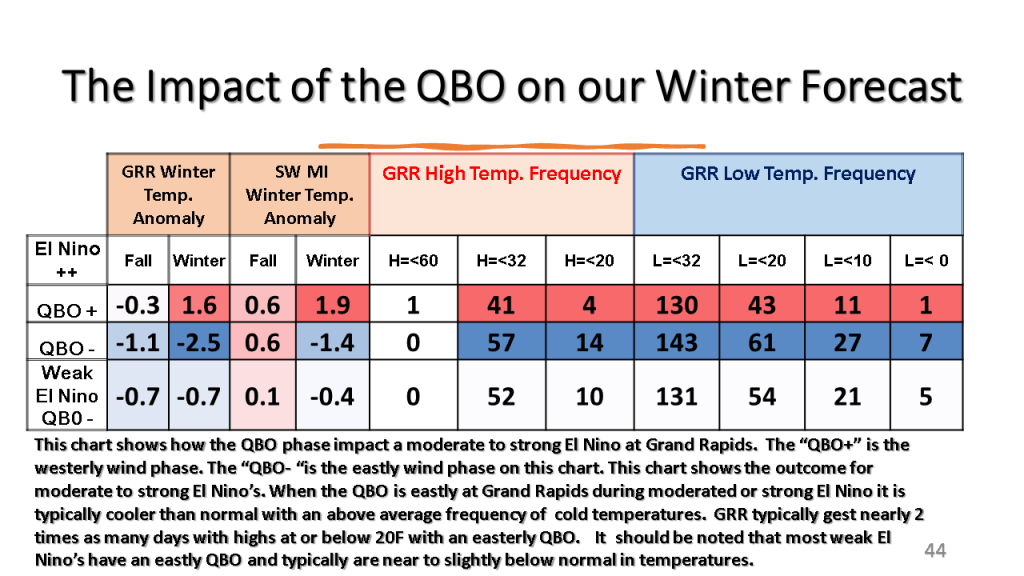
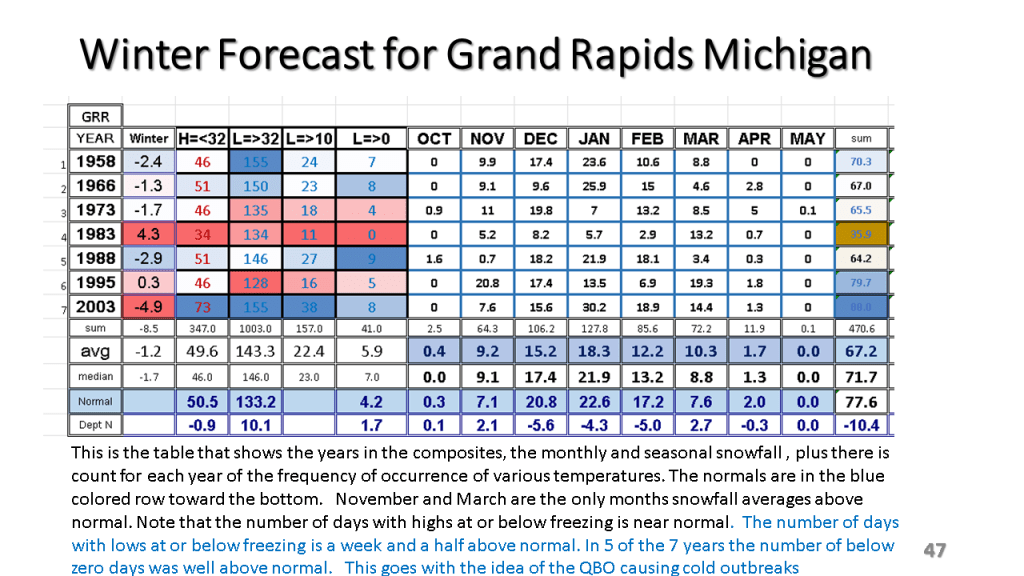
The QBO should allow for more arctic air to reach the CONUS once we get into January and February.






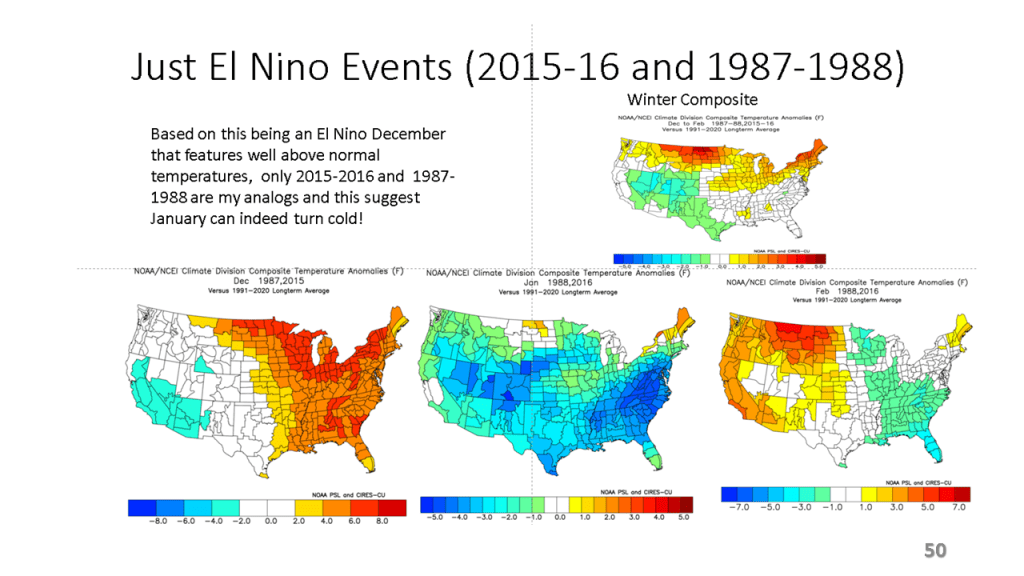
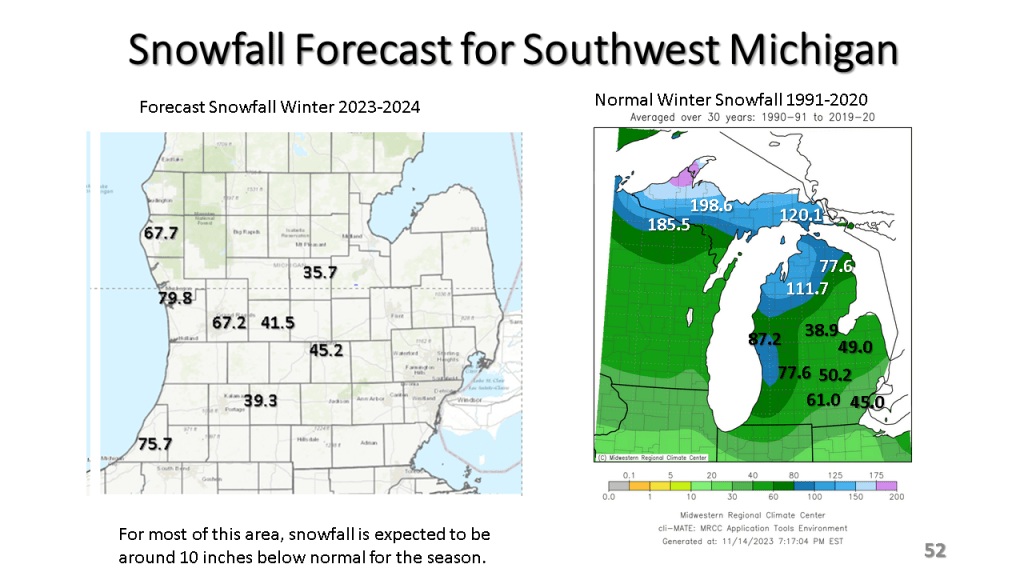
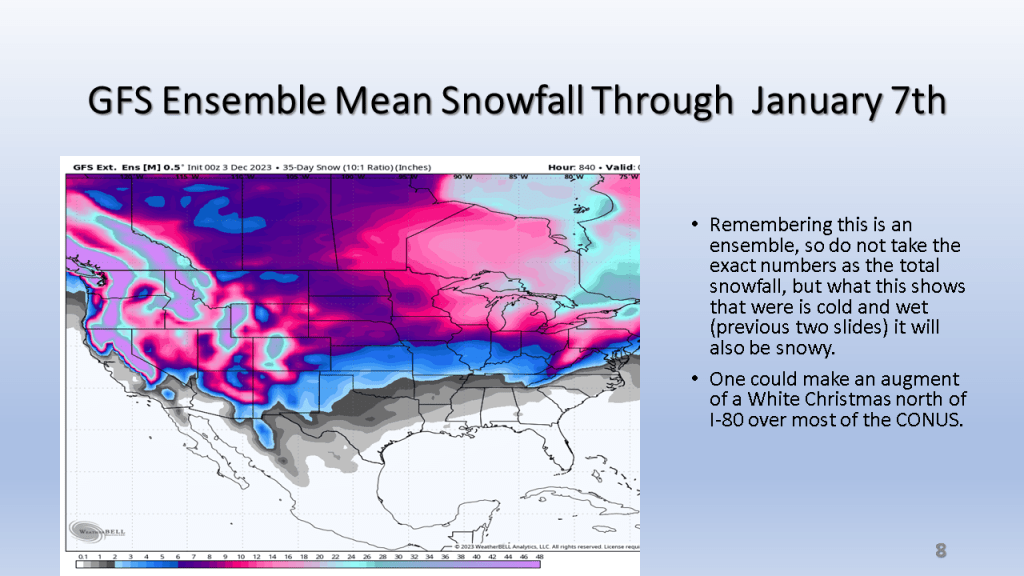
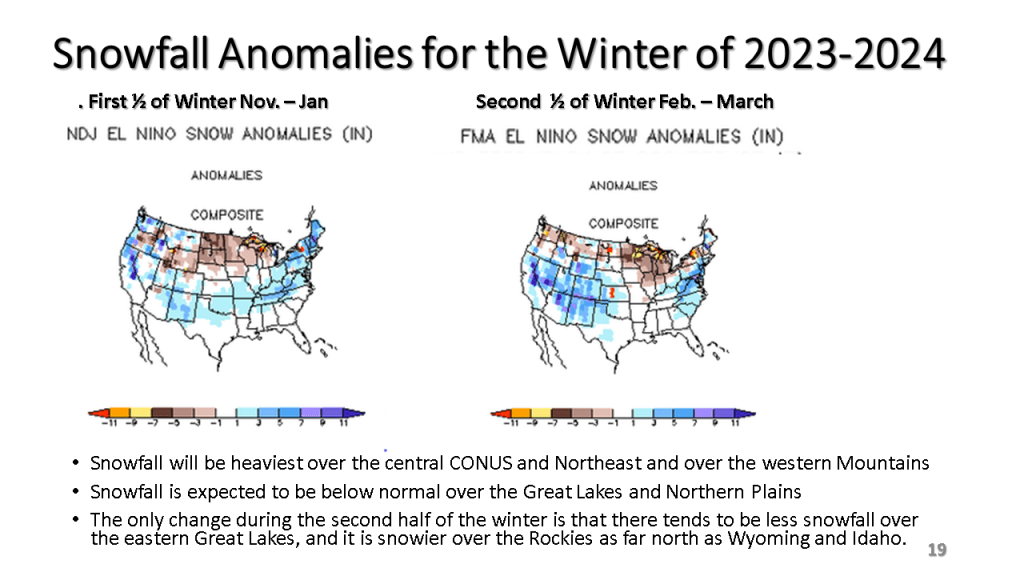
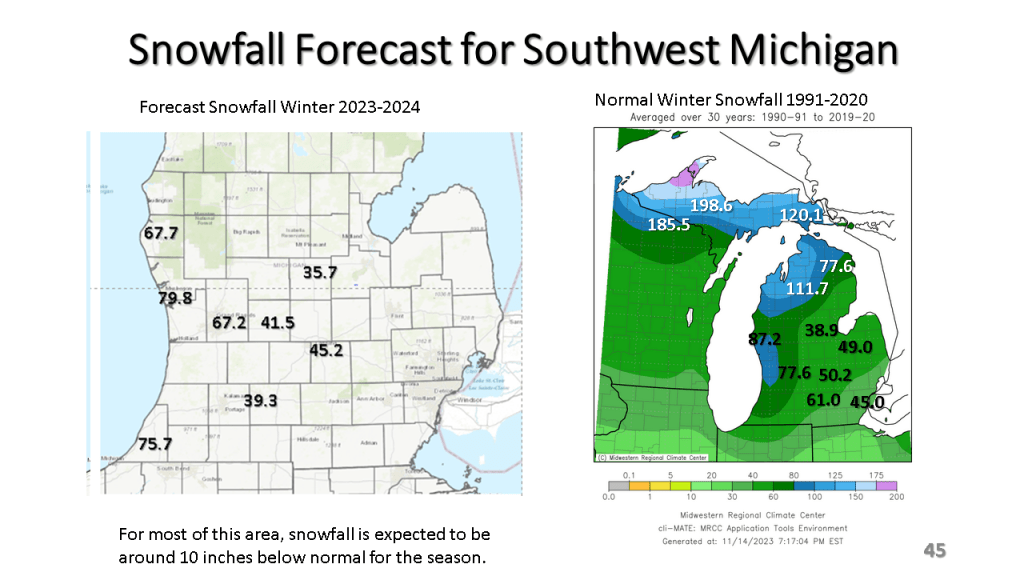
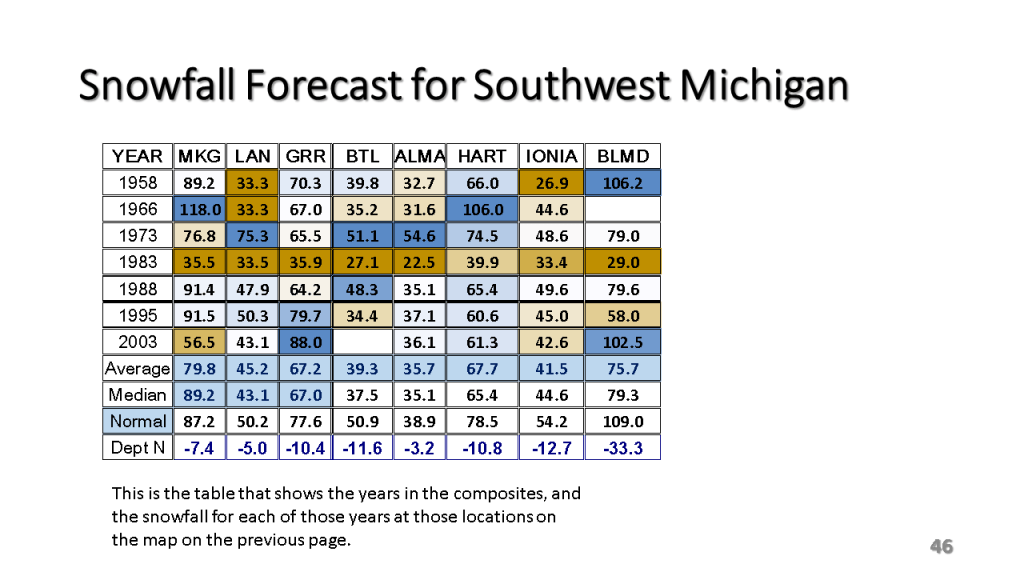
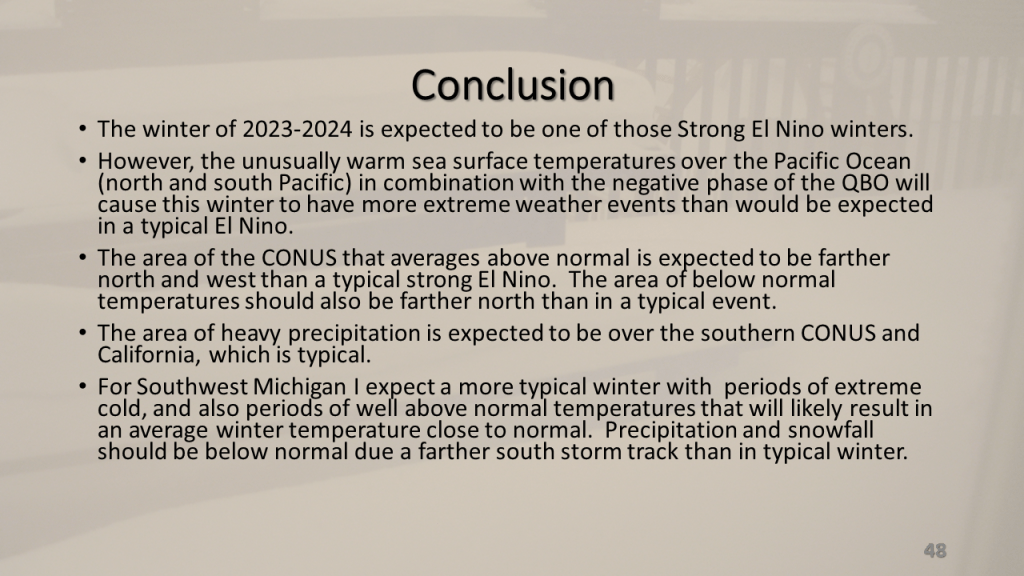
I am thinking snowfall will generally be below normal over Michigan, however sections of the East Coast, from North Carolina to Maine could have well above normal snowfall since El Nino’s favor Nor-Easters (Coastal Storms). When we get into a cooler pattern in January, I’d expect to see some heavy snow events along the east coast. See slide 48 for details.


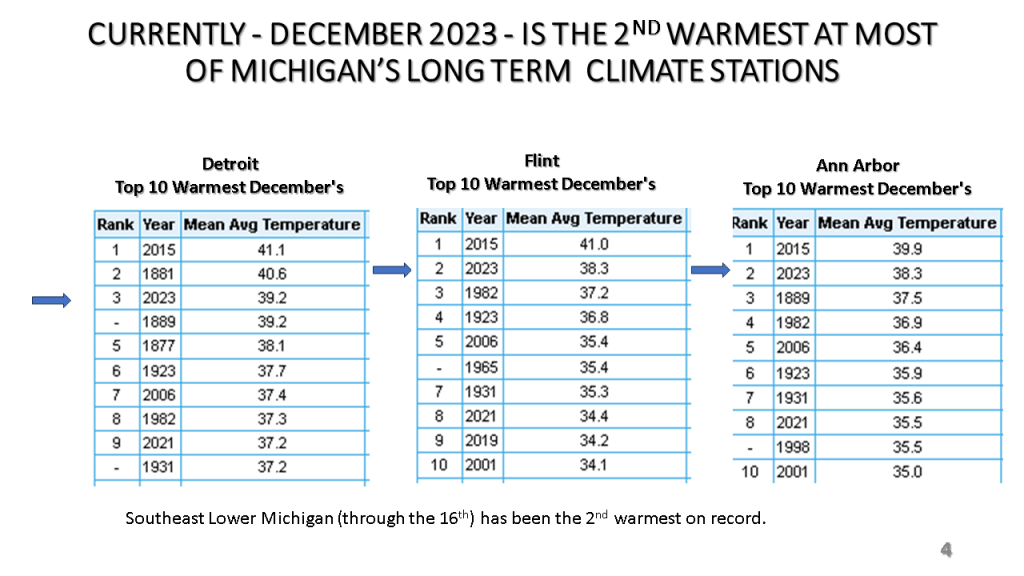
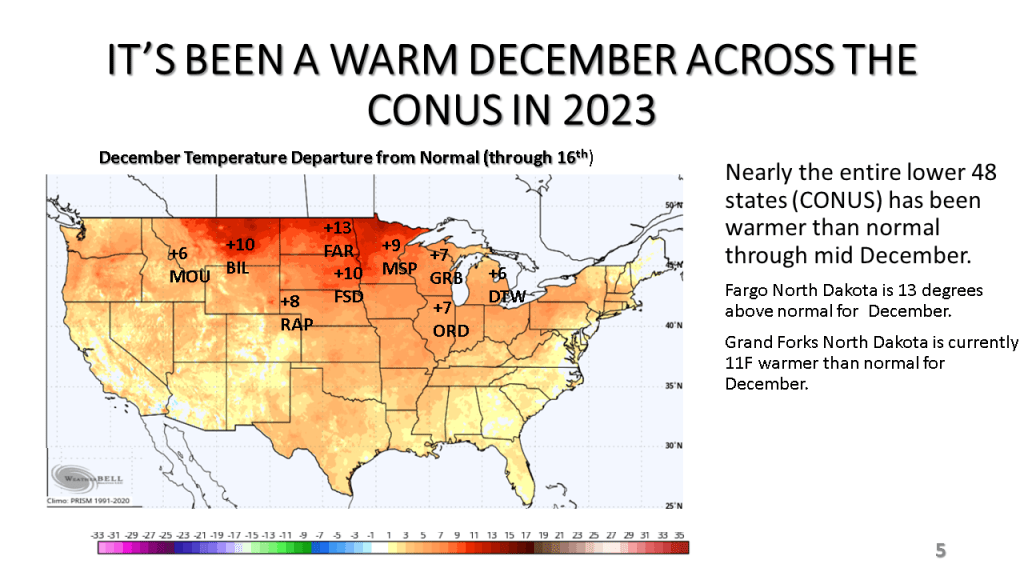
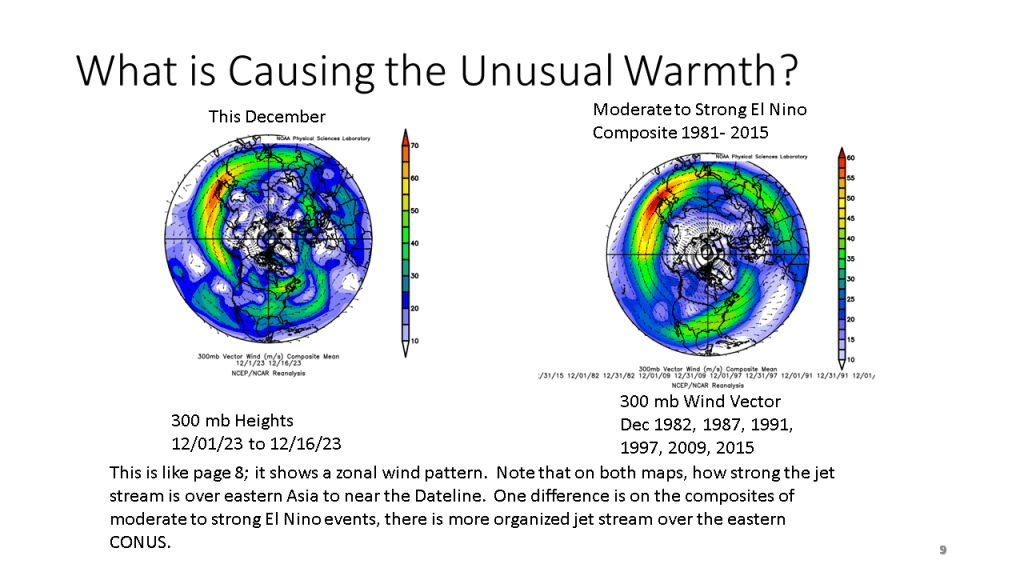
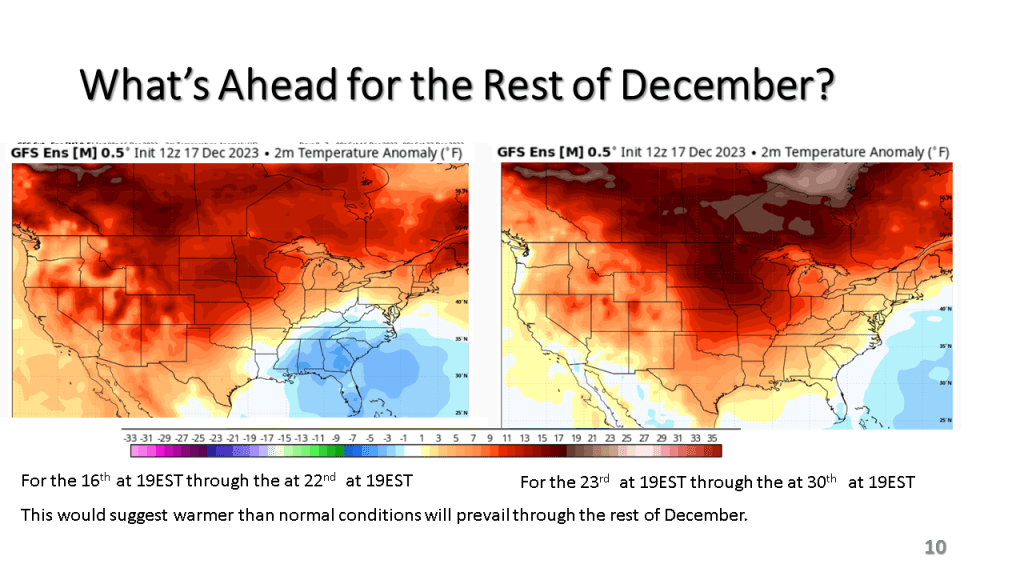
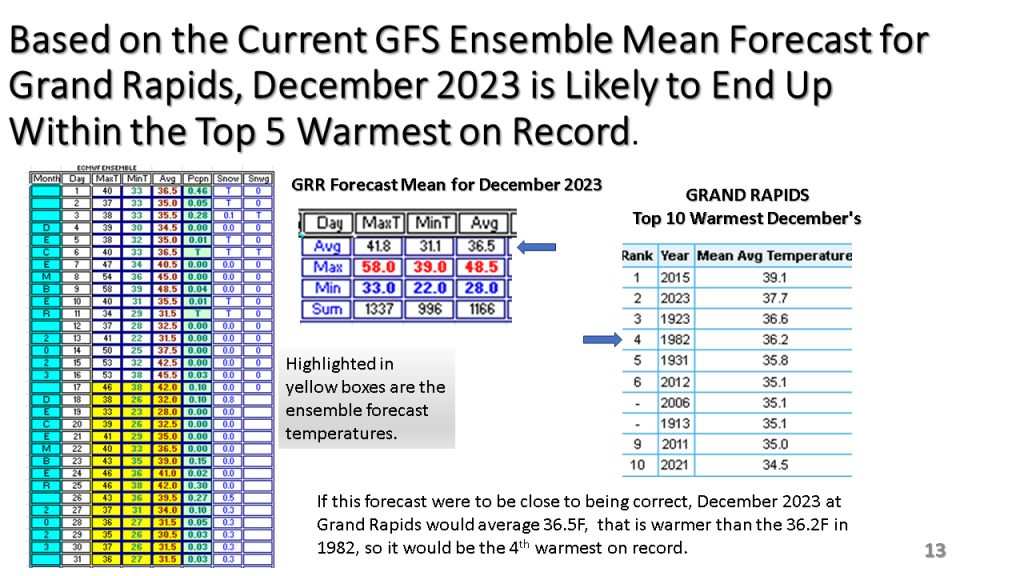
So far, as of the 16th, December is averaging 6 to 8 degrees above normal across Southern Lower Michigan. Flint is warmest with +7.8, while while Grand Rapids is the least with +5.5. Most other climate sites are between 6 and 7 degrees warmer than normal through the 16th in Michigan. Over northern Michigan Alpena has the least positive departure with +4.1 while Gaylord is +5.9 and Traverse City is +5.1. We are expecting two cold days (Monday and Tuesday) but the rest of December is expected to well above normal. Thus, December 2023 is likely to be in the top 5 warmest on record over most of Lower Michigan.







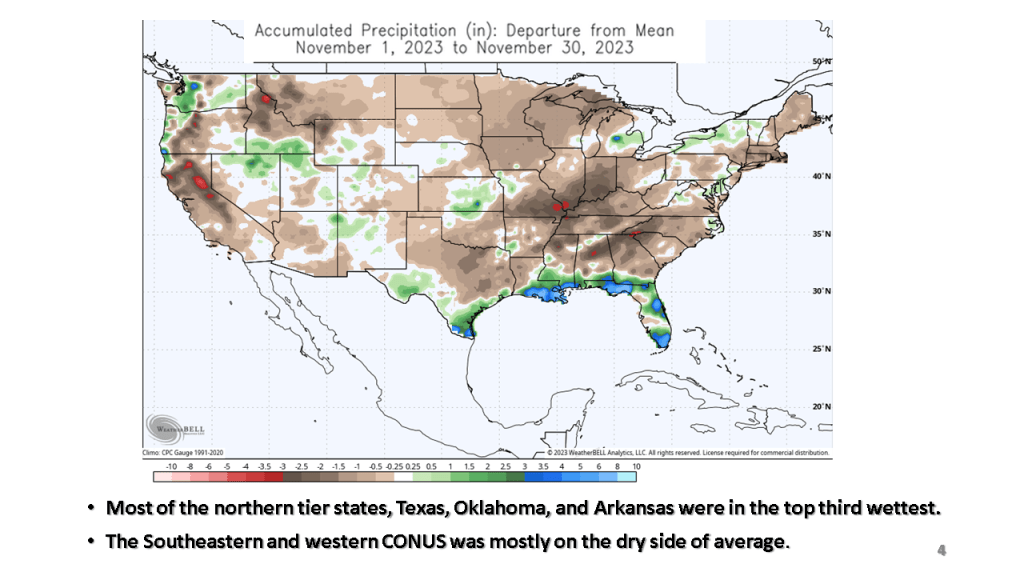
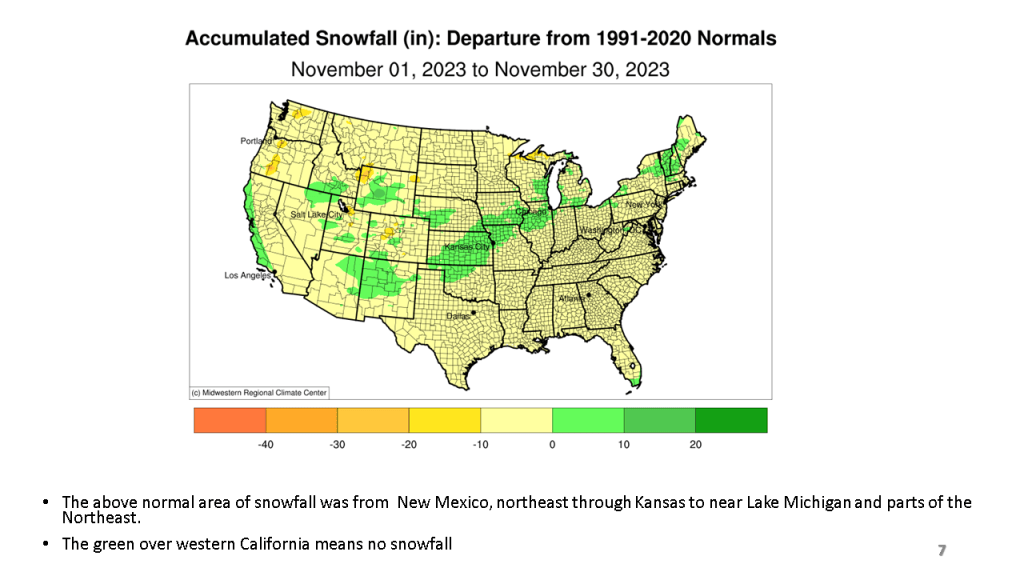
For the most part, November was not was warm, relative to normal as October was, in fact the eastern half of the CONUS was cooler than normal in November, as were parts of the Pacific Northwest. It was an extremely dry month over most of the CONUS, ranking 111th dries out of 128 years (91%). Only the Gulf Coast and Florida were wetter than normal. Snowfall was mostly below normal but a snow storm brought heavy snow from Kansas to near Chicago around the 25th resulted in up to a foot of snow in that area, bringing them above normal snowfall for November.







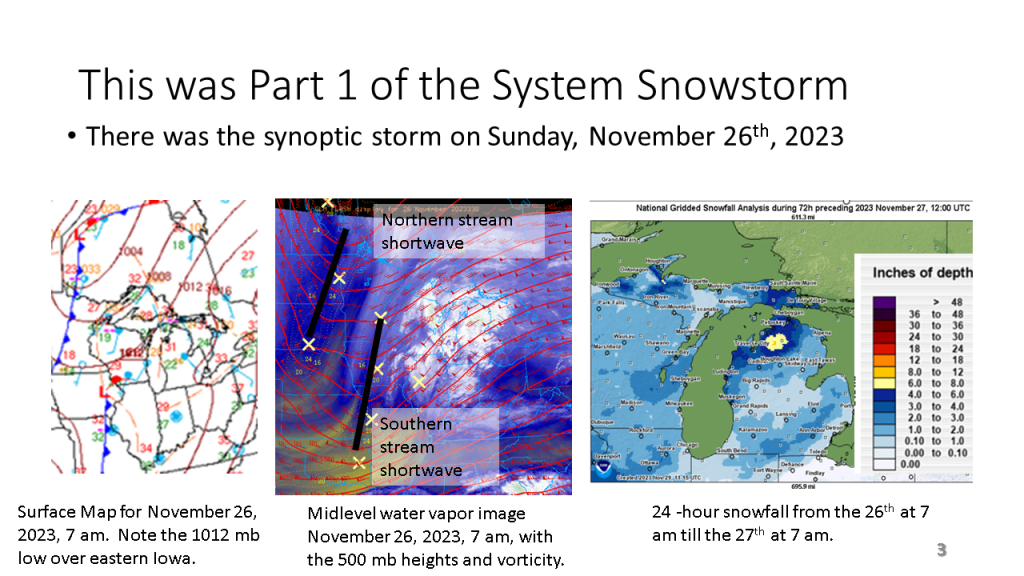
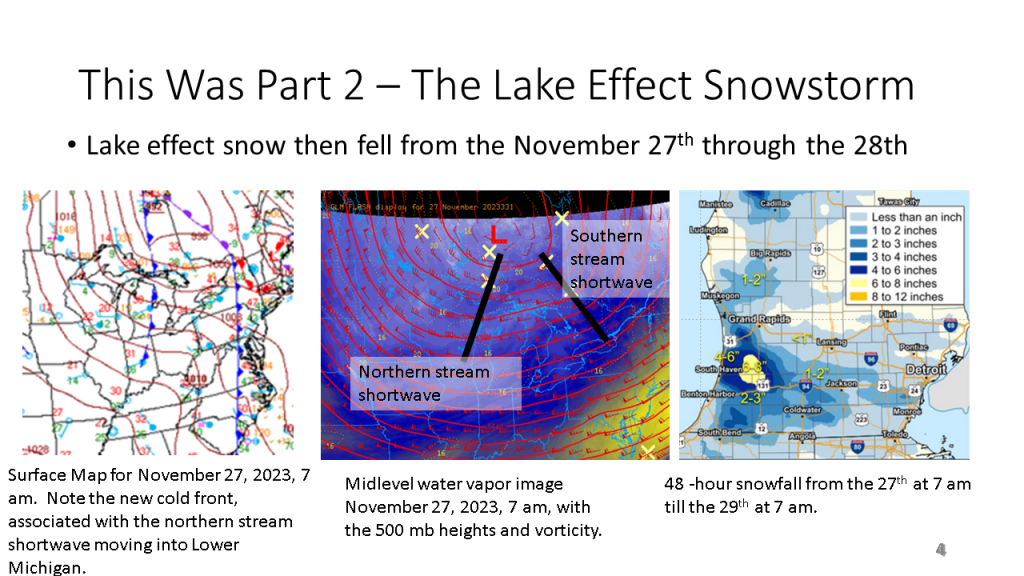
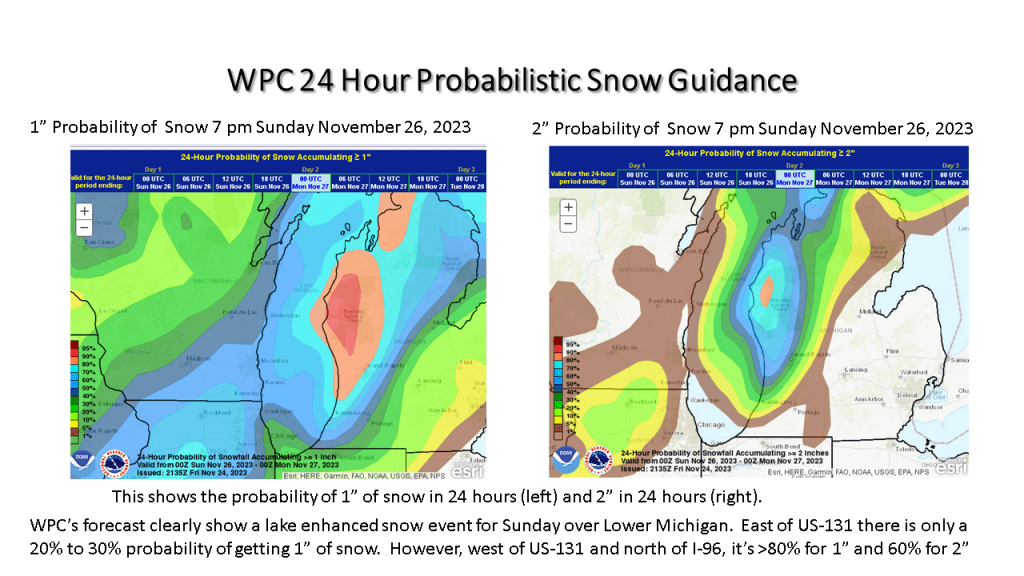
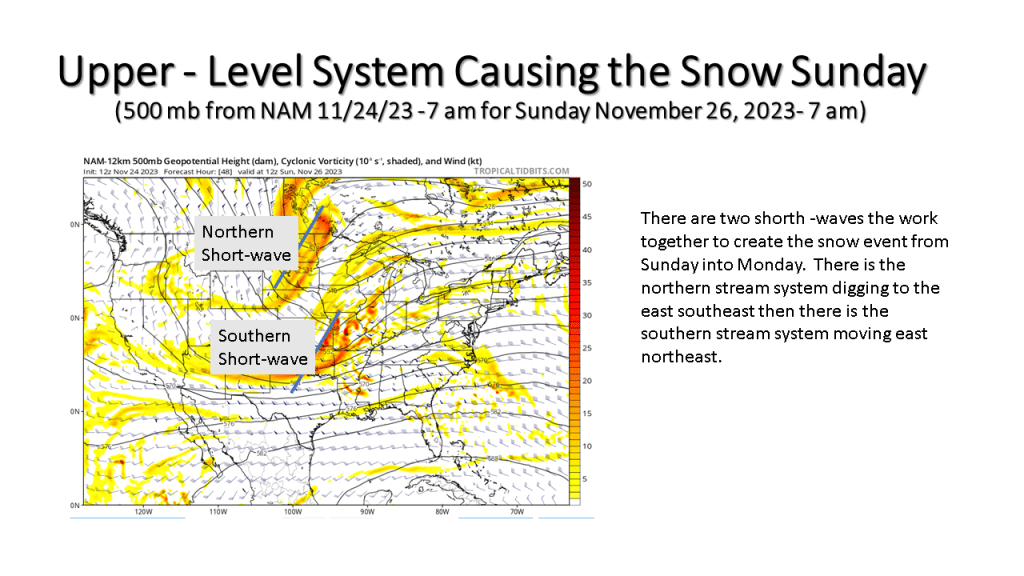
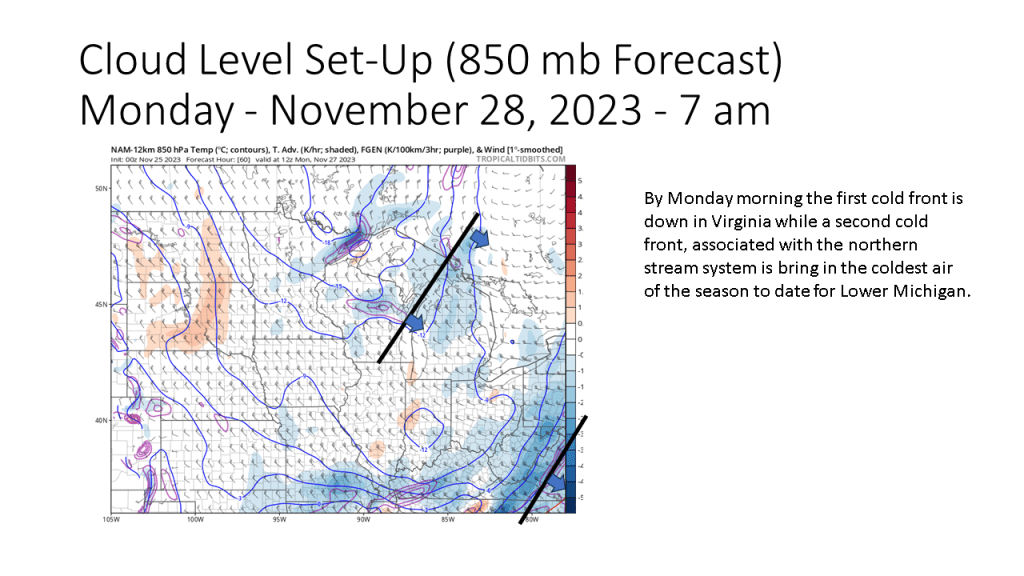
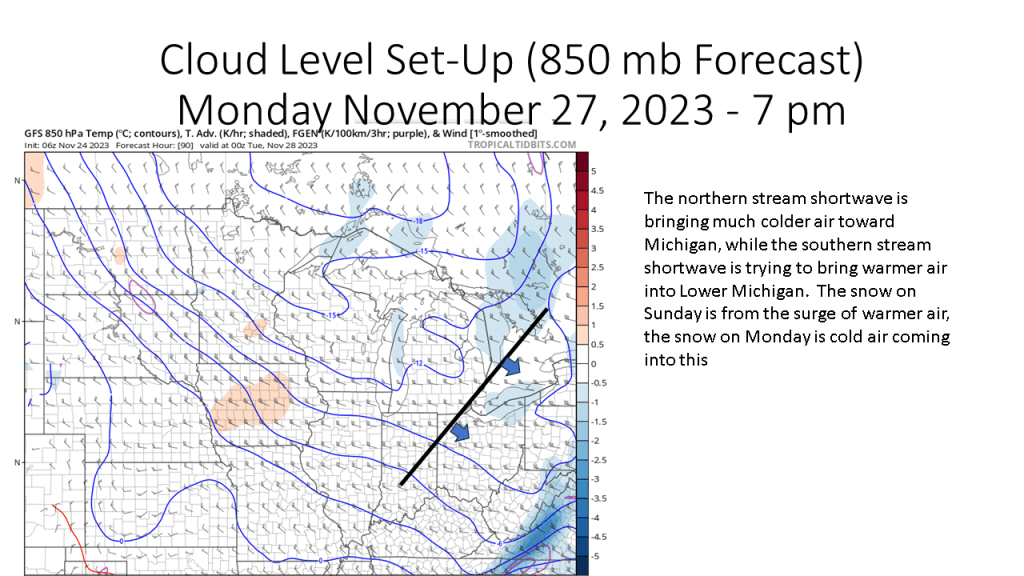
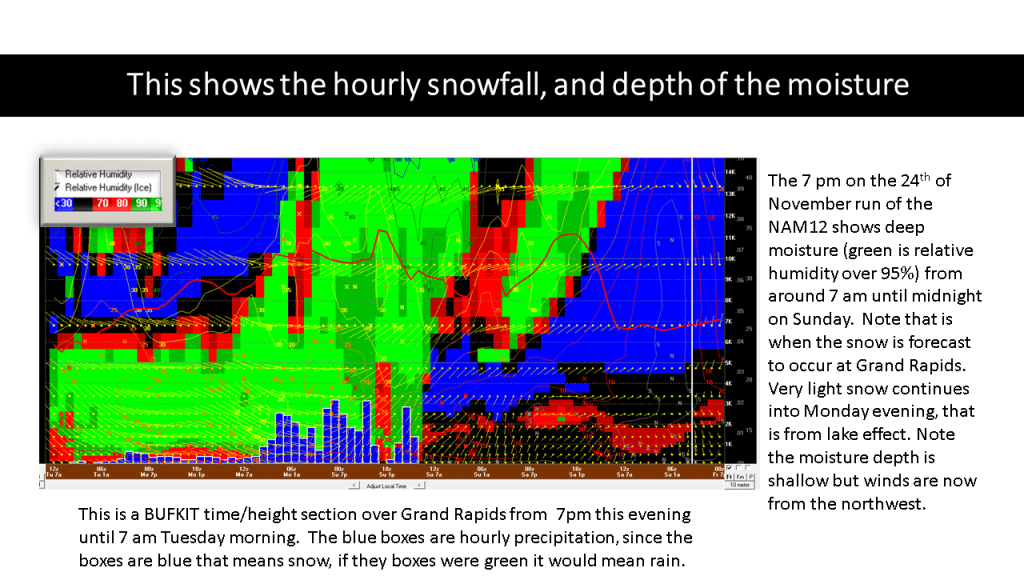
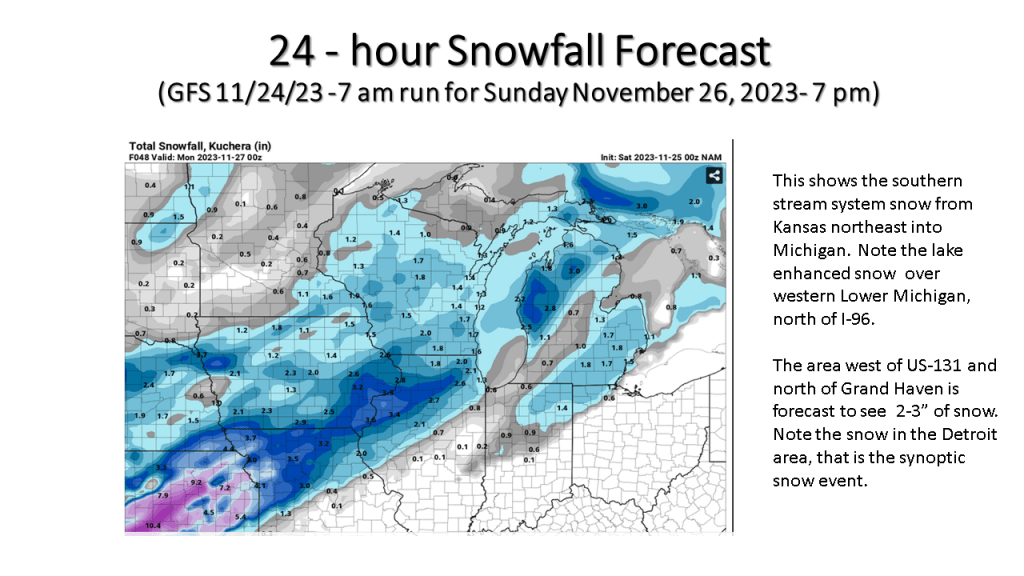
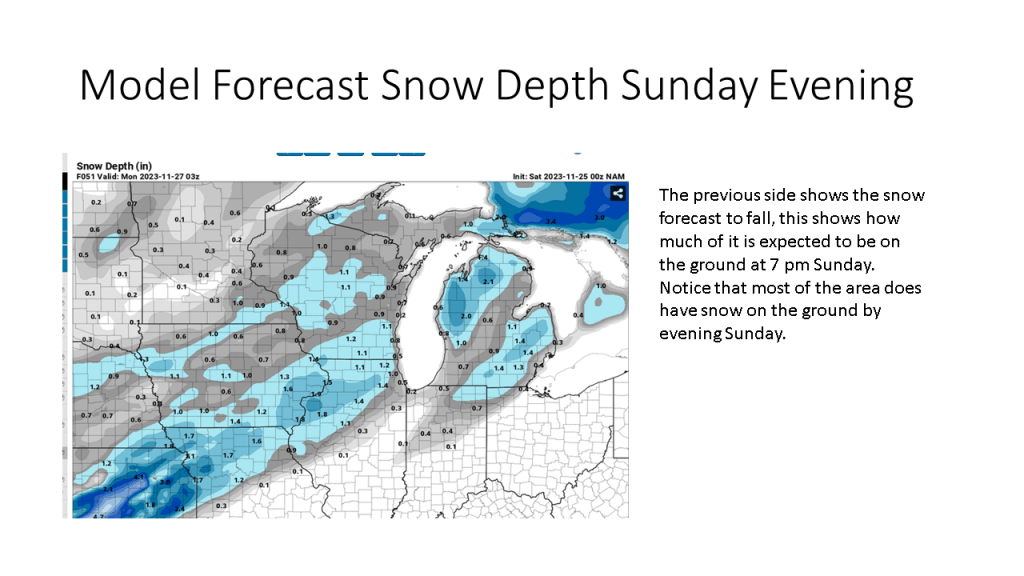
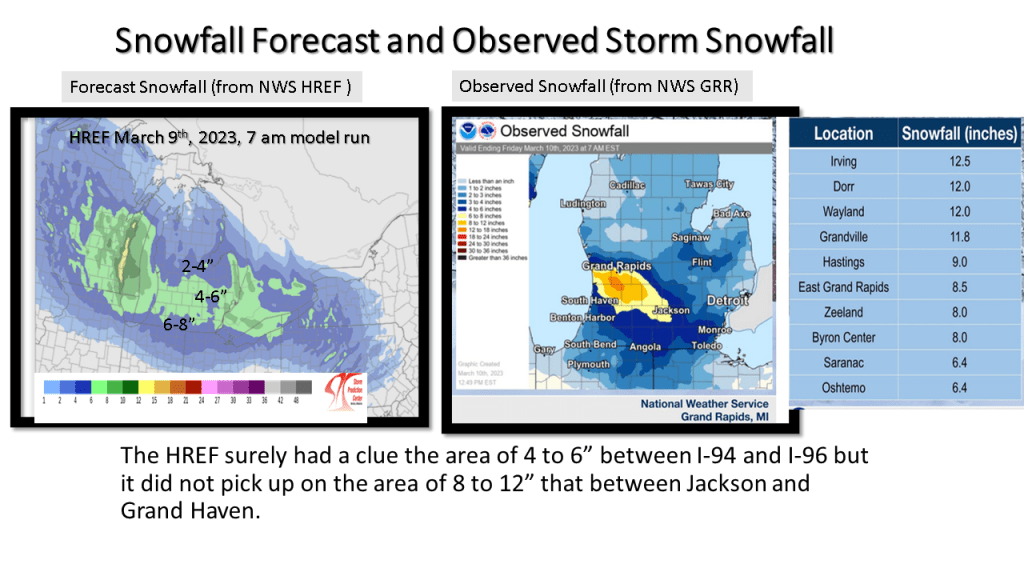
There was a southern stream shortwave that brought 1 to 3 inches of snow to the southern Great Lakes on Sunday. However most of the snow fell from lake effect as the coldest air of the season crossed the relatively warm water of the Great Lakes (mostly in the 40s) Monday into Tuesday. The heaviest snowfall was were the west to northwest wind was forced up-slope over northern Lower Michigan but even more so over the Tug Hill Plateau of western New York were over a 1 1/2 feet of snow fell.










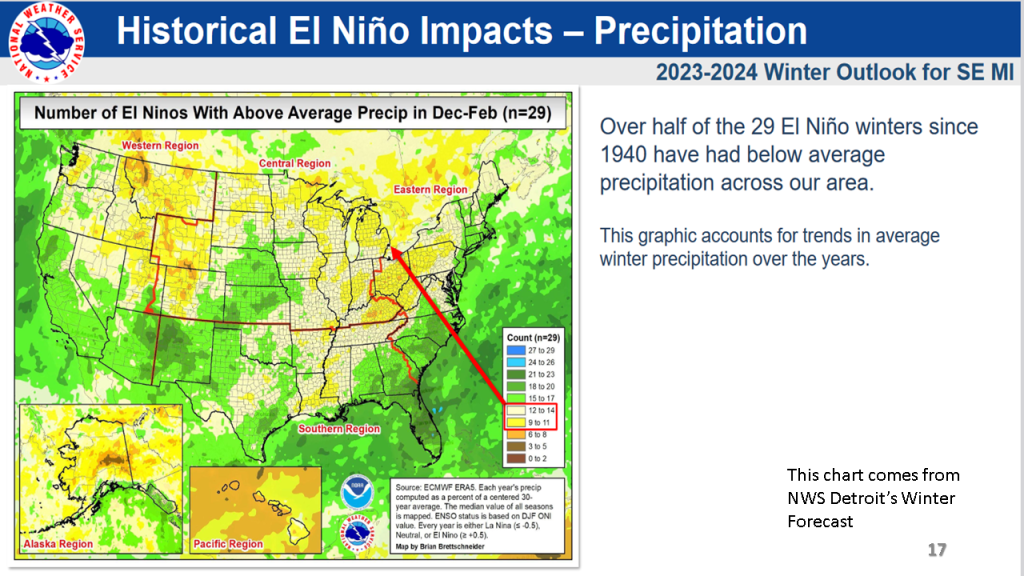
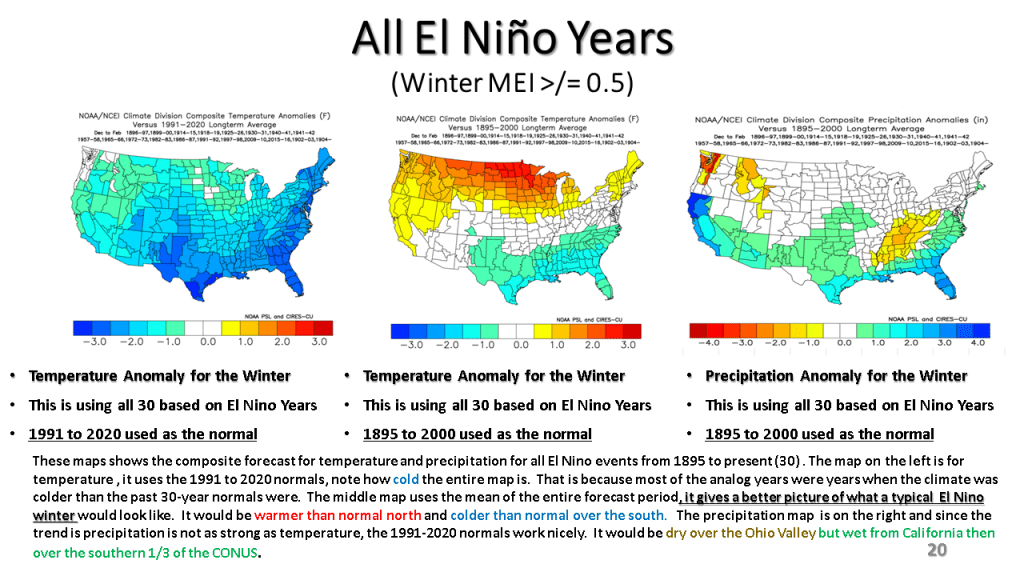
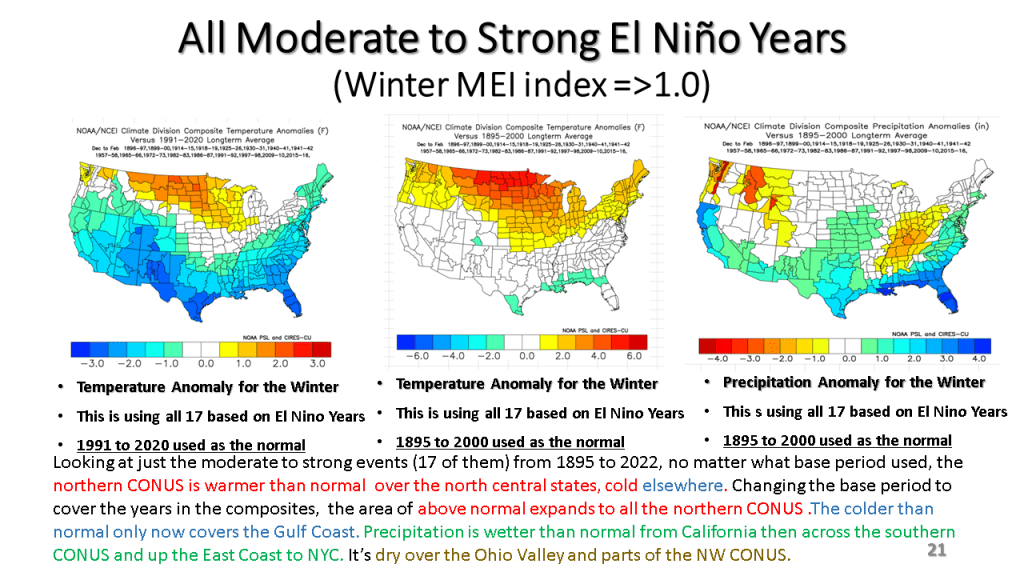
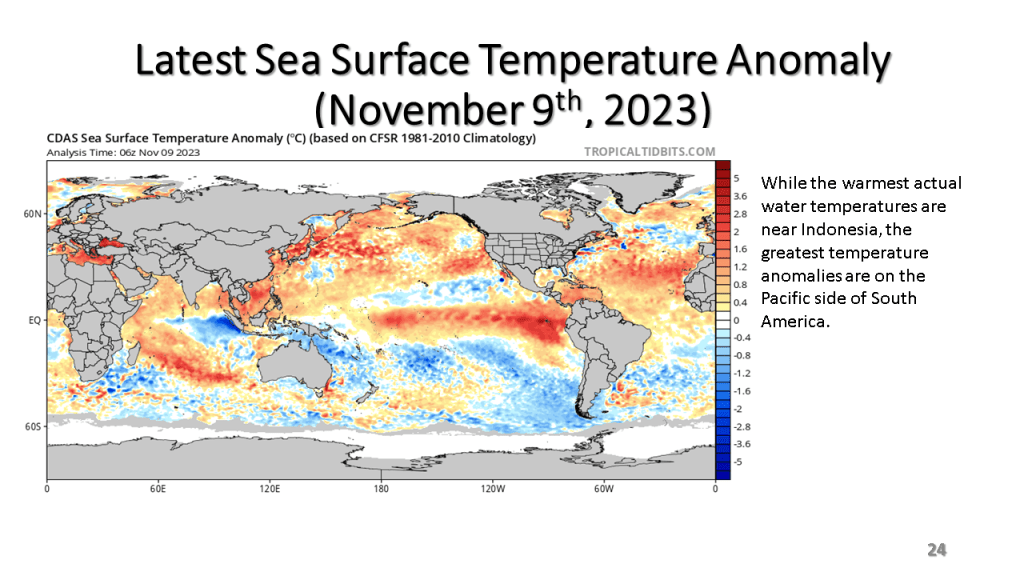
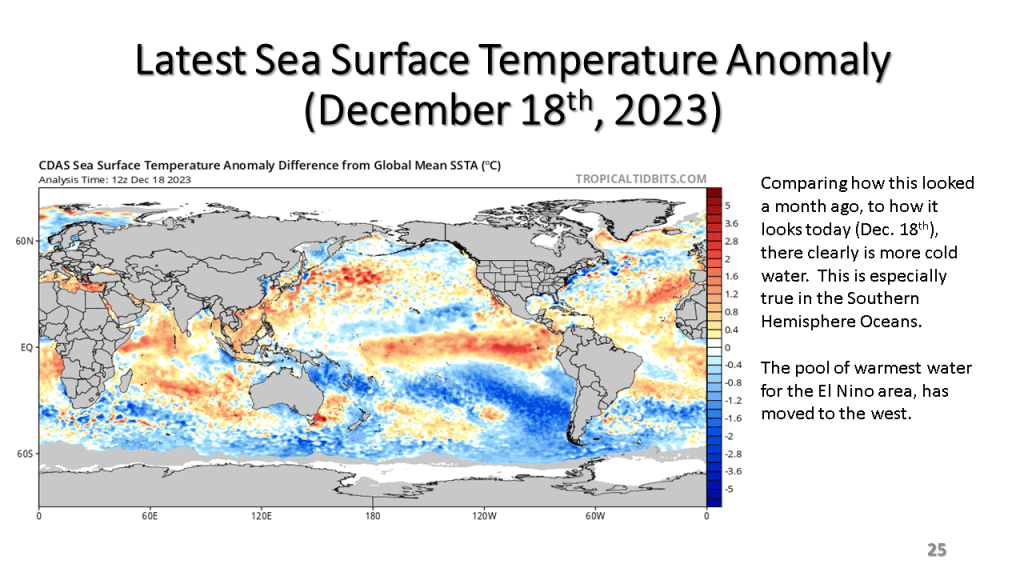
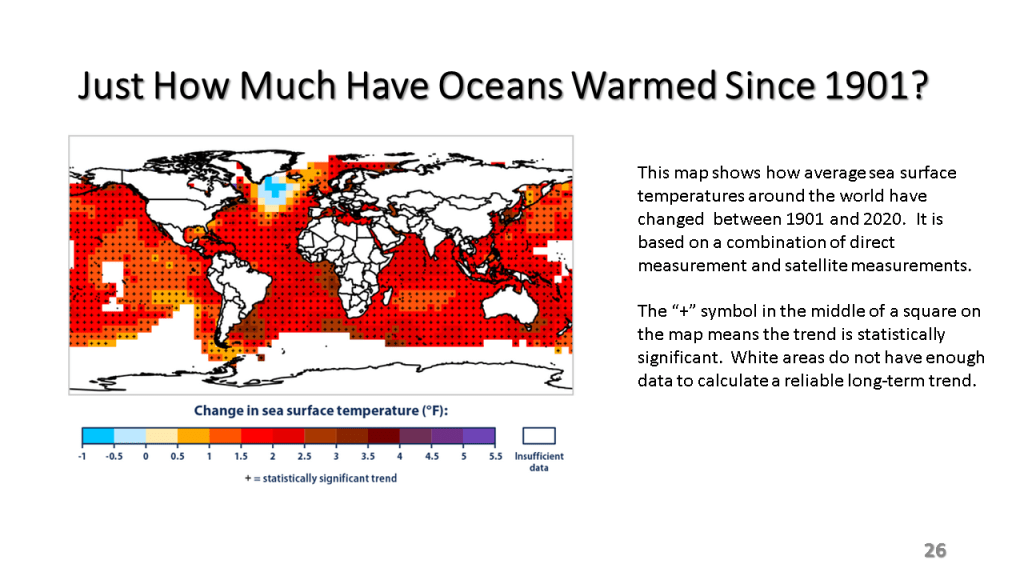
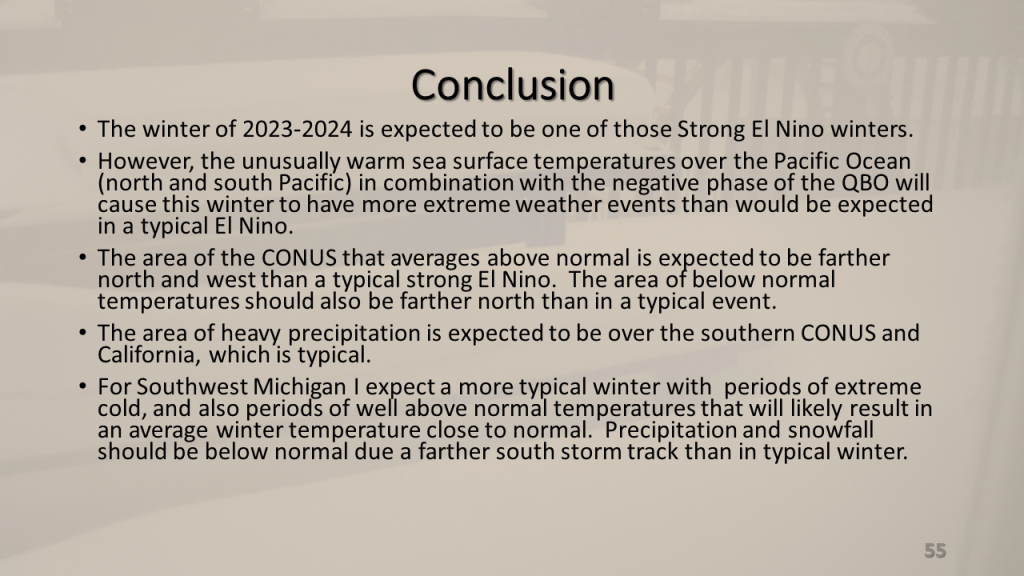
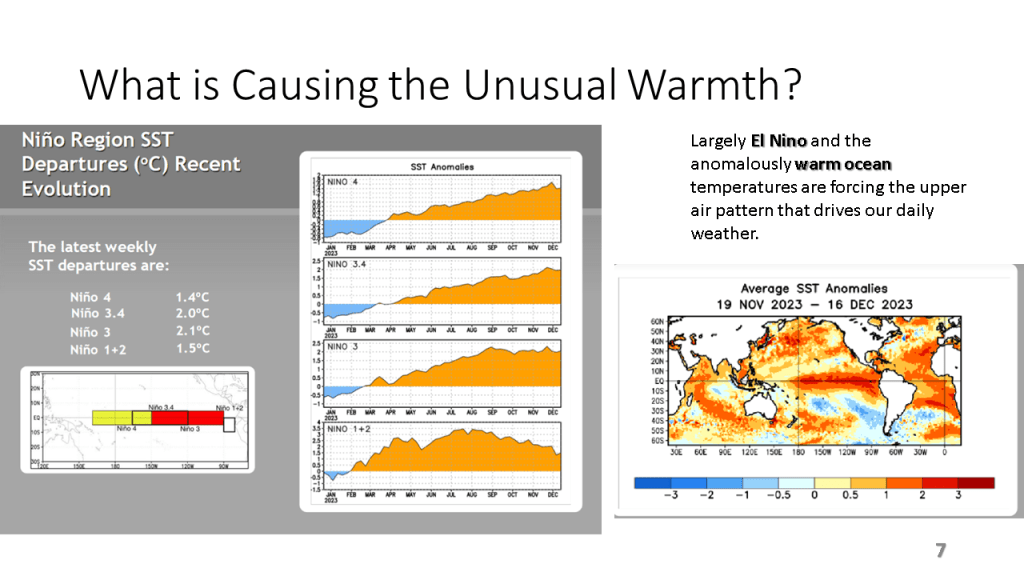
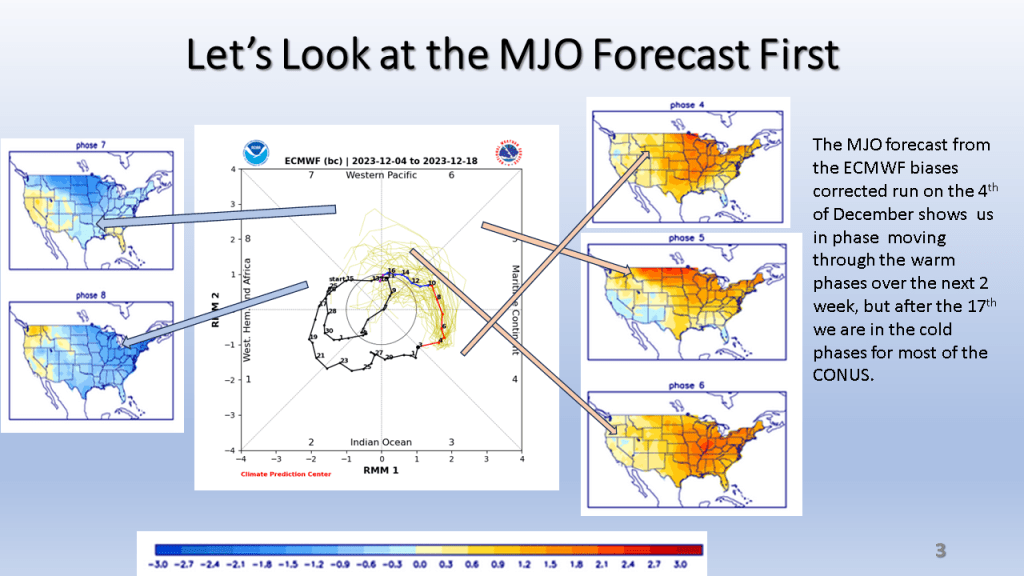
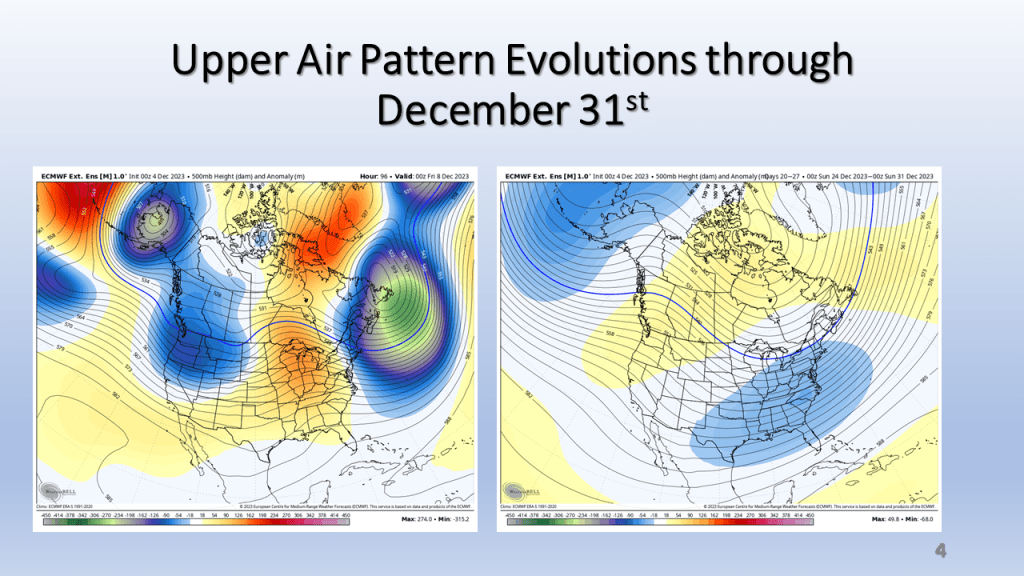
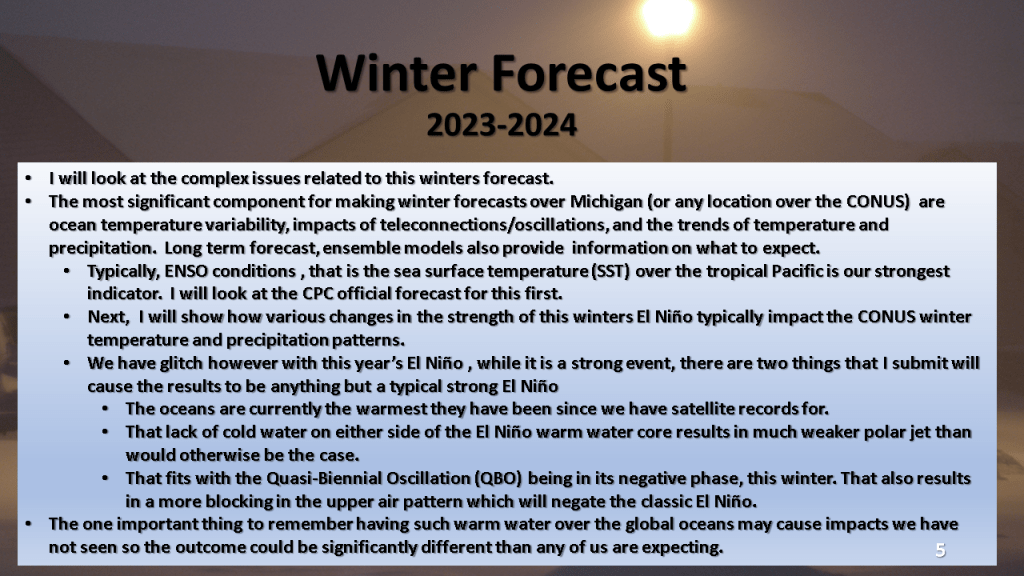
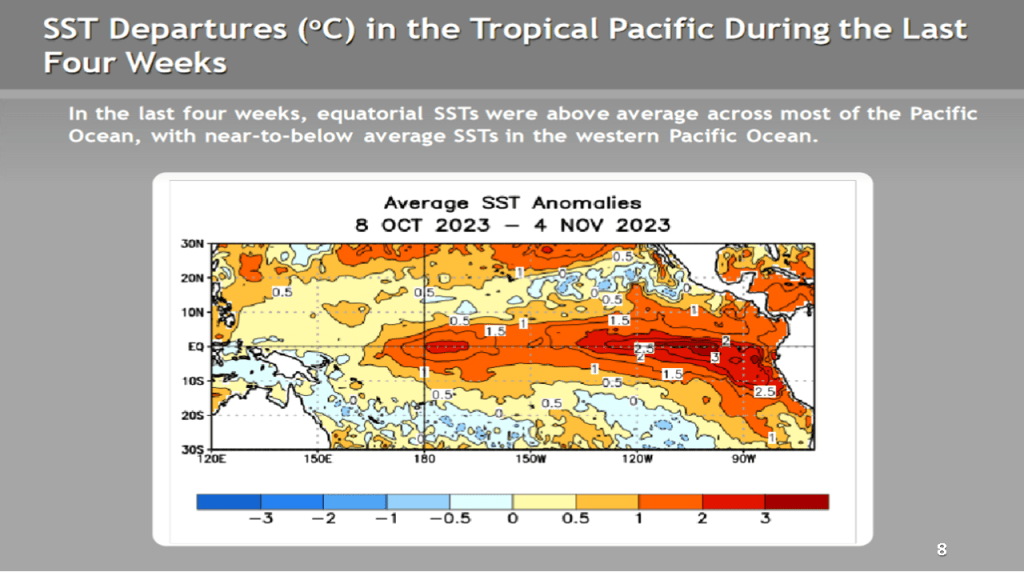
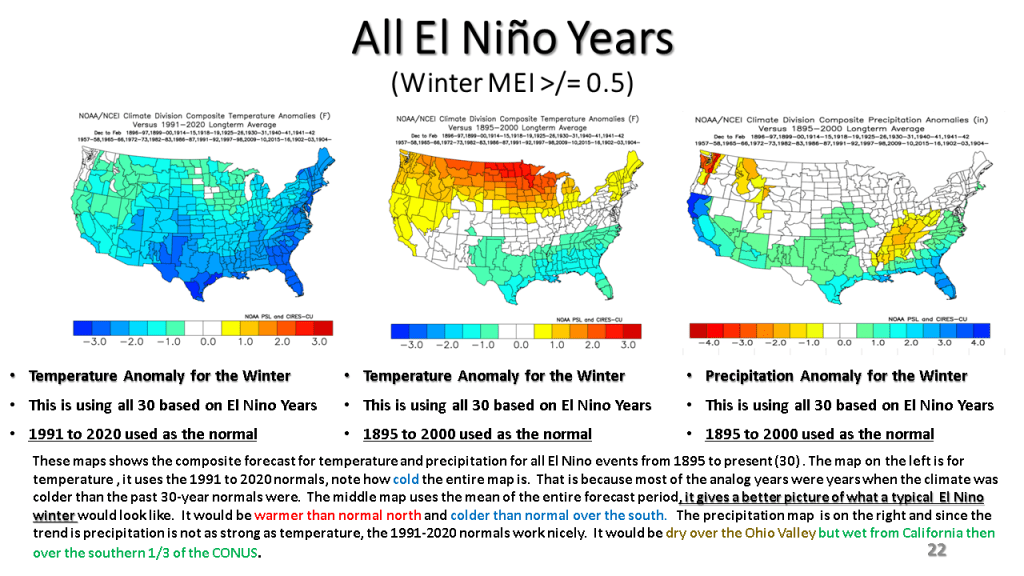
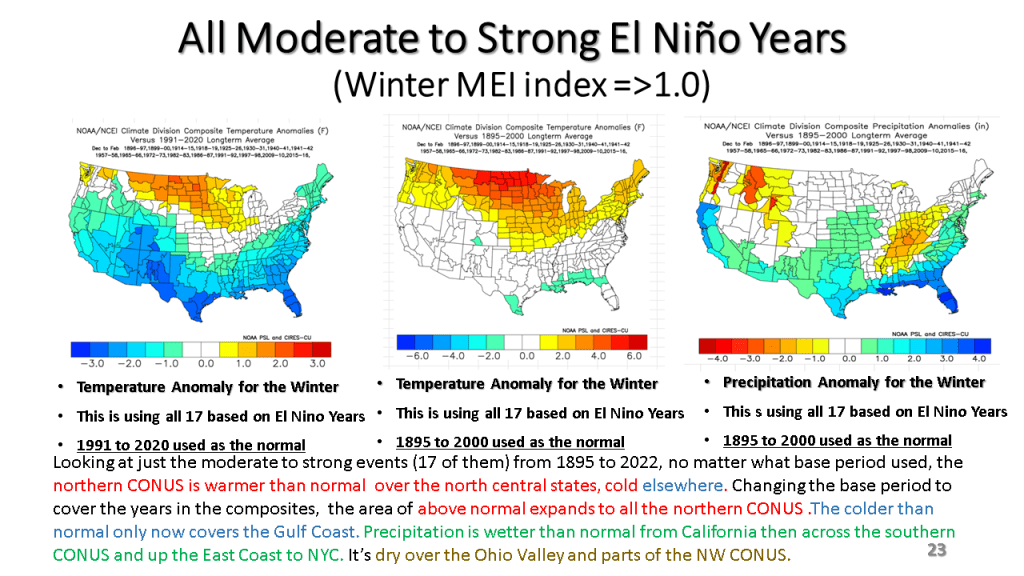
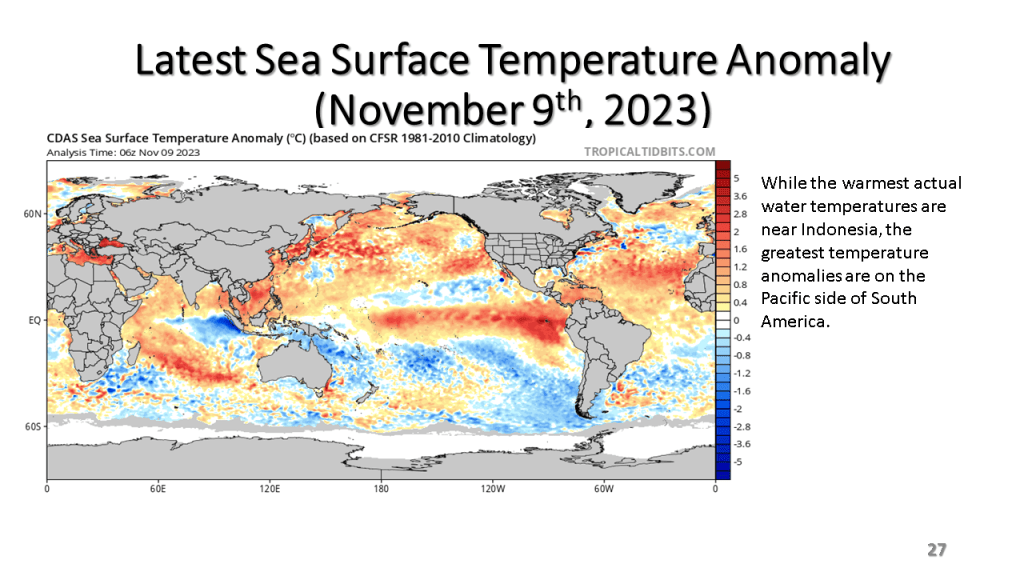
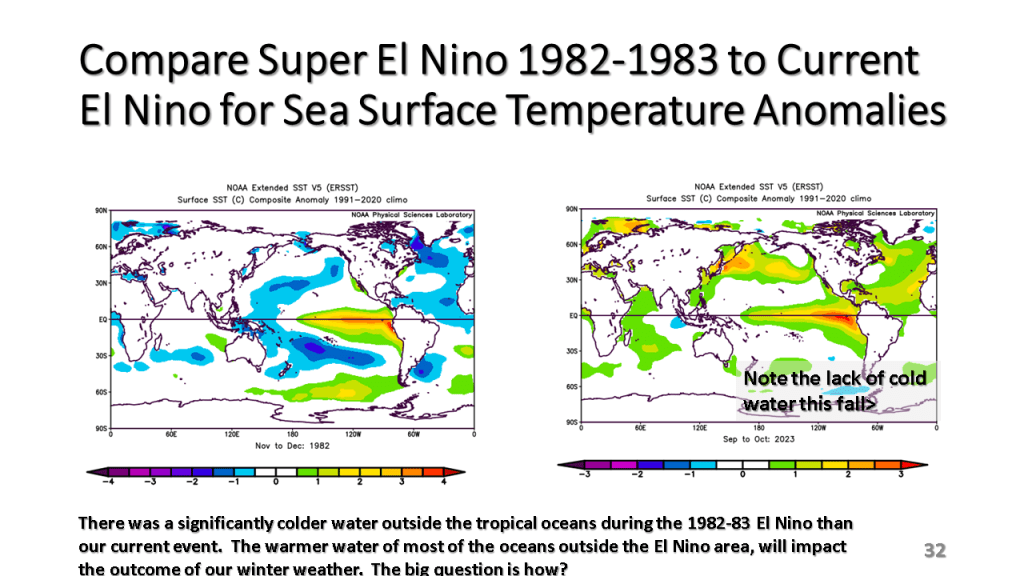
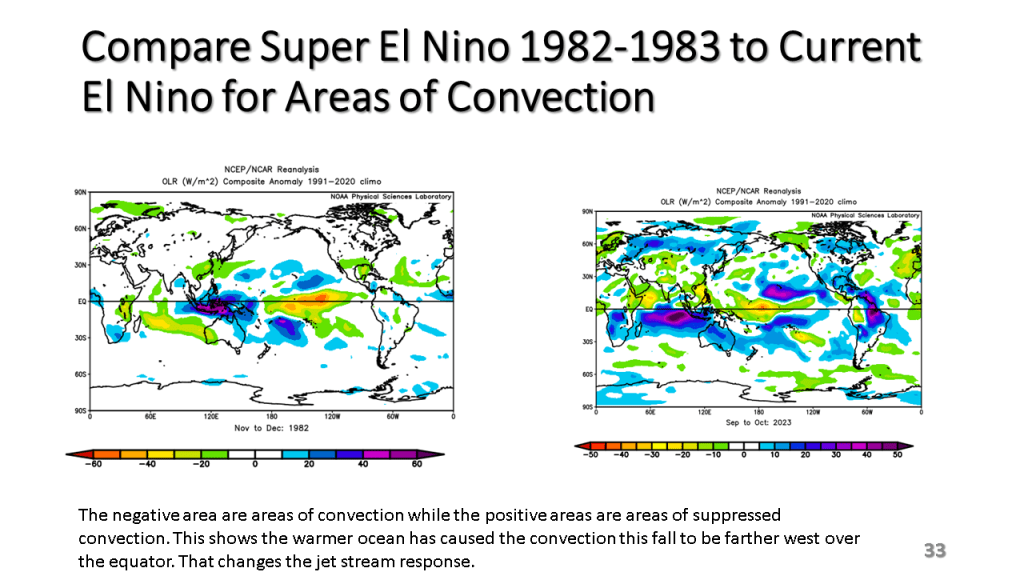
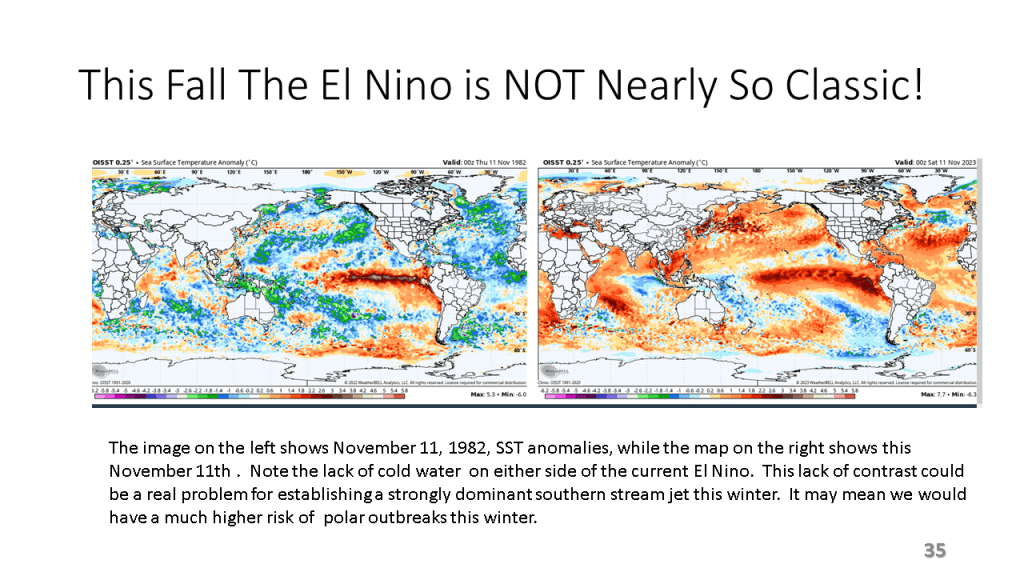
The short story is I am expecting a not so typical moderate to strong El Nino Winter this year. This is due to record warm sea surface temperatures in combination with an easterly wind over the tropical oceans, near 200 mb. This these two features acting together create an unusual amount of blocking in our Northern Hemisphere jet stream. This will mean periods of extremely cold weather and periods of unusually warm weather for a good part of the central and eastern United States lower 48 states. Even so, for Southwest Michigan and actually for all of Michigan I expect snowfall to be below normal but we will get a decent amount of snow nonetheless.

















 themarinocast